

To make electric micromobility accessible, it's essential to transform the current landscape. Doing this involves redesigning devices with a user-centered approach, catering to diverse needs, and improving infrastructure for enhanced usability. We also need to implement inclusive policies, considering community-specific needs and socio-economic realities. Technology can play a big role in this and some initiatives are already showing promise. Stick with us, and we'll explore practical and sustainable strategies to make electric micromobility accessible for everyone.
Key Takeaways
- Implement user-centered design principles to create adaptive electric micromobility devices.
- Invest in robust infrastructure like dedicated lanes and strategically placed charging stations.
- Develop inclusive policies that prioritize accessibility and offer regulatory incentives for companies.
- Promote socio-economic inclusion through community outreach, financial incentives, and local business collaborations.
- Address unique community needs and challenges through strategic implementation of policies and regulations.
Understanding the Current Landscape of Electric Micromobility
While we navigate the rapidly changing landscape of electric micromobility, it's essential for us to understand its current state and potential challenges.
Urban mobility is a hot topic, and electric scooters have emerged as a popular solution for short-distance travel. They're convenient, eco-friendly, and fit seamlessly into the bustling city life.
However, despite their rising popularity, they aren't without their share of issues. Safety concerns, regulatory restrictions, and infrastructure inadequacies have led to some hiccups in their adoption.
We're witnessing a pattern of trial and error as cities grapple with integrating electric scooters into their urban fabric. It's clear we're in a shifting phase, figuring out the best strategies to balance convenience, accessibility, and safety.
Redesigning Micromobility Devices for Better Accessibility
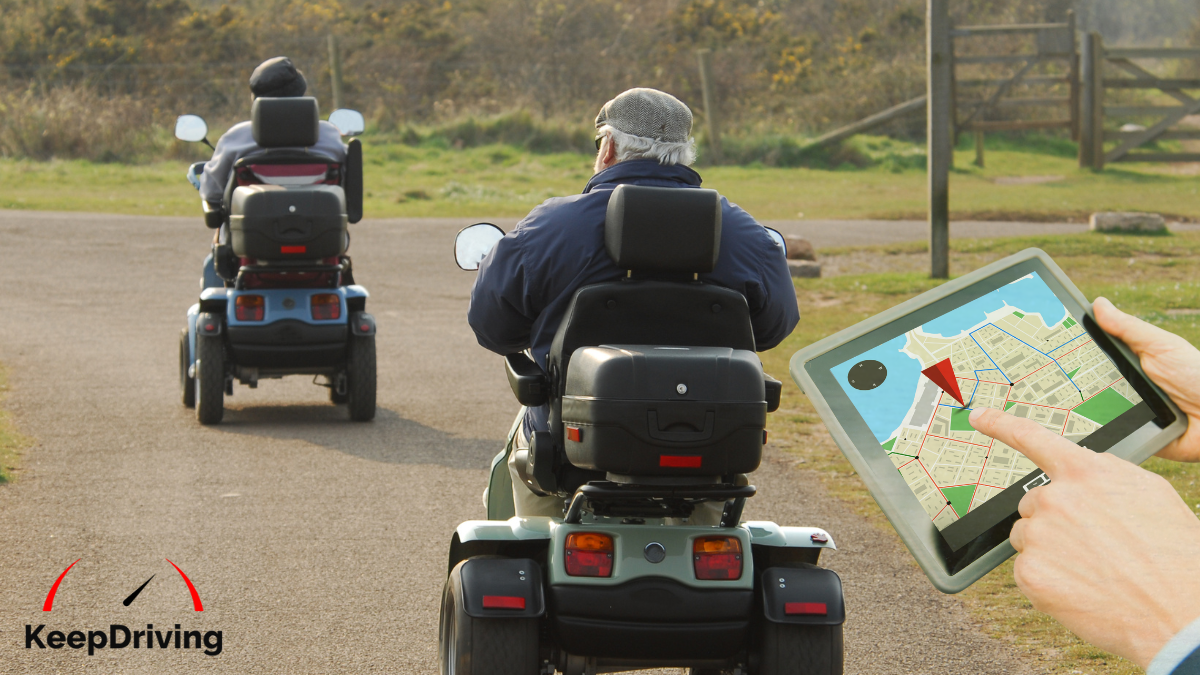
As we grapple with the complexities of integrating electric scooters into urban life, it's becoming increasingly evident that a one-size-fits-all approach isn't working.
Redesigning micromobility devices with an adaptive design mindset helps us meet diverse user needs. We're exploring user-centered design principles, focusing on the end users' needs and limitations.
Taking into account factors such as age, disability, and socio-economic conditions, we're innovating to create devices that are accessible to all. By understanding the unique needs of each user, we can implement design changes that make micromobility options more inclusive.
This approach fosters a sense of belonging, making our cities friendlier and more inclusive spaces. Together, we can build a more accessible future in micromobility.
Building Infrastructure to Support Electric Micromobility
Beyond designing accessible devices, we must also address the equally important matter of developing supporting infrastructure for electric micromobility. A robust infrastructure investment is crucial to guarantee safety standards are met and to foster a sense of belonging among users. This involves creating dedicated lanes, installing charging stations, and enhancing digital connectivity.
Our proposal aligns with these key aspects:
| Aspect | Importance | Action |
|---|---|---|
| Dedicated Lanes | Guarantees users' safety | Allocate specific city areas |
| Charging Stations | Promotes usage | Strategically place in high traffic areas |
| Digital Connectivity | Facilitates real-time updates | Enhance existing city networks |
We're dedicated to fostering an inclusive environment that supports electric micromobility and encourages everyone's participation. Let's build together!
Implementing Inclusive Policies and Regulations
To guarantee the success of electric micromobility, we must implement inclusive policies and regulations.
These new policy frameworks should focus on ensuring accessibility for all, including those in marginalized communities, and should provide regulatory incentives for companies that prioritize inclusivity.
An inclusive micromobility policy wouldn't only serve all community members but also foster a sense of belonging among users.
It's essential that we design these policies with a detailed understanding of our community's unique needs and challenges.
Through a combination of careful analysis and strategic implementation, we can create a micromobility landscape that's both sustainable and inclusive, a place where everyone feels they belong and can participate.
Promoting Socio-Economic Inclusion in Electric Micromobility
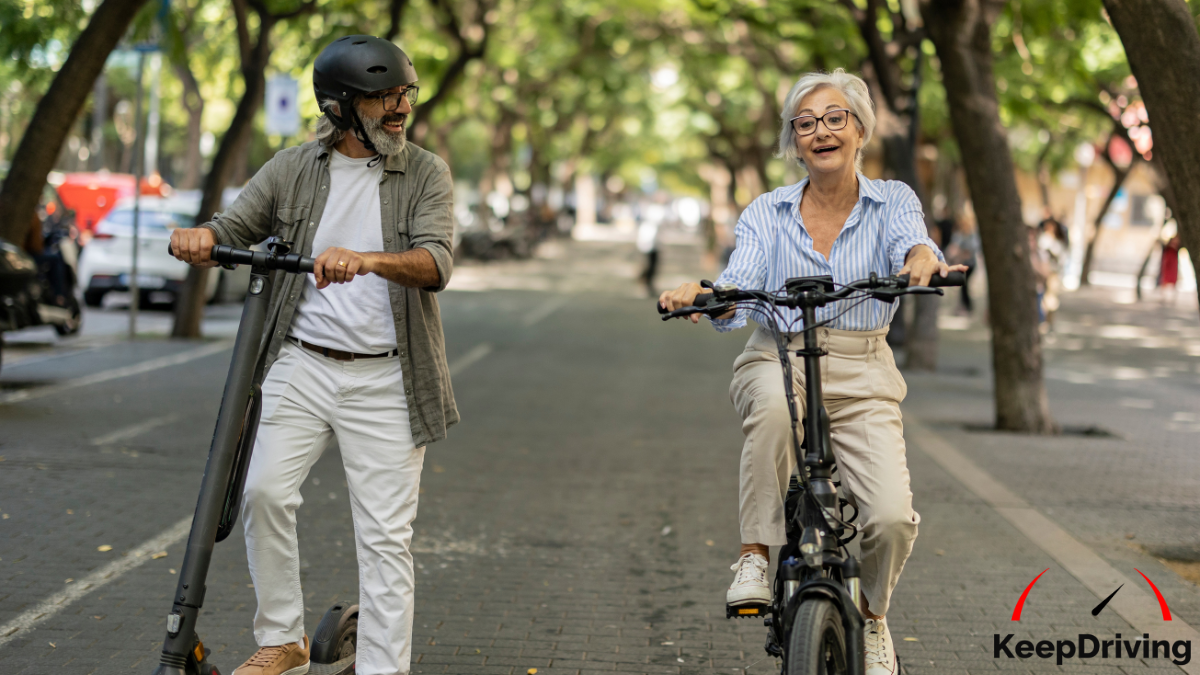
While we've made strides in creating inclusive policies and regulations, we must also focus on promoting socio-economic inclusion in electric micromobility.
We need to take deliberate steps to guarantee that everyone, regardless of their socio-economic status, can access and benefit from these innovations.
Here's how we can promote socio-economic inclusion:
- Initiate broad community outreach, engaging diverse neighborhoods and underserved demographics. This way, we can understand their unique needs and challenges.
- Implement financial incentives, like subsidies or cost-sharing programs, to make electric micromobility affordable to low-income users.
- Collaborate with local businesses and community leaders to provide job opportunities in the electric micromobility sector.
We're all in this together. Let's make electric micromobility accessible and beneficial to everyone in our society.
The Role of Technology in Enhancing Micromobility Accessibility
As we consider the benefits of electric micromobility, we must also explore the essential role technology plays in enhancing its accessibility.
For instance, smart routing algorithms can generate the most efficient paths for users, considering factors such as road conditions, traffic, and user preferences. This not only improves the user experience but also fosters inclusivity by making micromobility more user-friendly.
Additionally, integrating user feedback mechanisms into micromobility apps can lead to continuous improvement. Through this, we can identify and solve issues that may limit accessibility.
This fusion of technology and user input paves the way towards a more inclusive, accessible future for electric micromobility. Together, we can ride towards a future where everyone belongs.
Case Studies of Successful Accessible Electric Micromobility Initiatives
Let's now turn our attention to some successful instances of electric micromobility initiatives.
We'll examine innovative citywide programs and promising micromobility implementations that have greatly improved accessibility.
These case studies not only provide inspiration but also offer practical insights into the challenges and opportunities in this rapidly evolving field.
Innovative Citywide Initiatives
Diving right into innovative citywide initiatives, we find numerous successful case studies showcasing the potential of accessible electric micromobility.
These instances provide strong evidence of how community partnerships and public awareness campaigns can greatly improve accessibility and usage.
- Community Partnerships: In several cities, collaborations with local businesses and organizations have facilitated the expansion of electric micromobility infrastructure, such as charging stations and safe parking zones.
- Public Awareness: Effective outreach strategies have been instrumental in informing residents about the benefits and proper usage of e-scooters, e-bikes, and other electric micromobility options.
- Policy Support: Regulatory assistance from local governments has also played a vital role in the successful adoption of these initiatives.
Promising Micromobility Implementations
While we've explored the overarching strategies and policies, it's important to bring to light several pioneering case studies that illustrate the successful implementation of accessible electric micromobility initiatives.
We've noticed that projects that prioritize sustainable partnerships and community engagement often yield the most promising results.
Case in point, in Berlin, a collaborative initiative between city planners and local e-scooter companies has led to improved micromobility infrastructure. The partnership hinged on open dialogue, shared objectives, and mutual benefits.
In Portland, an e-bike program thrived due to robust community engagement. Residents were directly involved in planning and implementation, fostering a sense of ownership and responsibility.
These case studies underline the potential of such strategies when applied thoughtfully and inclusively.
Frequently Asked Questions
What Training Is Needed to Safely Use Electric Micromobility Devices?
We believe user education is key. It's essential to understand how to operate these devices, follow safety guidelines, and respect pedestrian rights. We're in this together, ensuring every ride is both safe and enjoyable.
Are There Any Subsidies or Grants Available for Purchasing Electric Micromobility Devices?
Yes, we've found several subsidy programs and grant opportunities available for electric micromobility purchases. It's a welcoming community effort to make these devices more accessible and affordable for everyone. We'll explore deeper into these next.
How Is the Battery Life and Charging Infrastructure for Electric Micromobility Devices?
We've noticed that battery technology for electric micromobility is ever-improving. More charging stations are popping up too, making it easier for us to keep our devices powered up and ready to roll.
What's the Environmental Impact of Widespread Electric Micromobility Adoption?
We've found that electric micromobility can markedly reduce our carbon footprintThe total amount of greenhouse gases emitted directly or indirectly by a vehicle, measured in carbon... and ease urban congestion. It's an eco-friendly solution that will make us feel part of a greener, more sustainable community. Let's embrace it together.
How Reliable Are Electric Micromobility Devices in Different Weather Conditions?
We've found that electric micromobility devices' weather performance varies. Their durability can withstand typical conditions, but extreme weather can pose challenges. We're continually improving this, making them more reliable whatever the weather throws at us.



