

Electric scooters are revolutionizing urban mobility, rapidly growing in popularity due to their convenience and eco-friendly design. By comparison, traditional vehicles markedly contribute to gas emissions, global warming, and health issues. Electric scooters help reduce these impacts by generating fewer emissions and reducing traffic congestionHeavy traffic conditions that increase the likelihood of rear-end collisions and stress.. They're an integral part of sustainable urban development but face challenges in regulation, safety, and infrastructure. Yet, with concerted effort, we can harness their full potential. Ready to take a deeper look into this eco-smart revolution?
Key Takeaways
- Electric scooters contribute to emission reduction by producing fewer greenhouse gases compared to conventional vehicles.
- Their reliance on renewable electricity instead of fossil fuels promotes cleaner, healthier air in urban areas.
- By reducing traffic congestion, electric scooters further enhance air quality in cities.
- Their energy efficiency and compact design support sustainable urban development and reduce carbon footprints.
- Despite challenges like regulatory hurdles and infrastructure limitations, electric scooters have significant potential to boost urban air quality.
The Rising Popularity of Electric Scooters
While many are still adjusting to their presence, electric scooters have rapidly become a common sight in cities worldwide. Their surge in popularity is no accident.
We've recognized that these lightweight, easy-to-use devices are revolutionizing urban mobility. Not only do they provide a quick and convenient way to navigate congested streets, they're also a form of eco-friendly transportation.
By opting for an electric scooter over a car or public transit for short trips, we're all playing a part in reducing our carbon footprintThe total amount of greenhouse gases emitted directly or indirectly by a vehicle, measured in carbon.... As part of a community aiming for a greener future, we can't underestimate the impact of these small changes.
Understanding the Environmental Impact of Traditional Vehicles
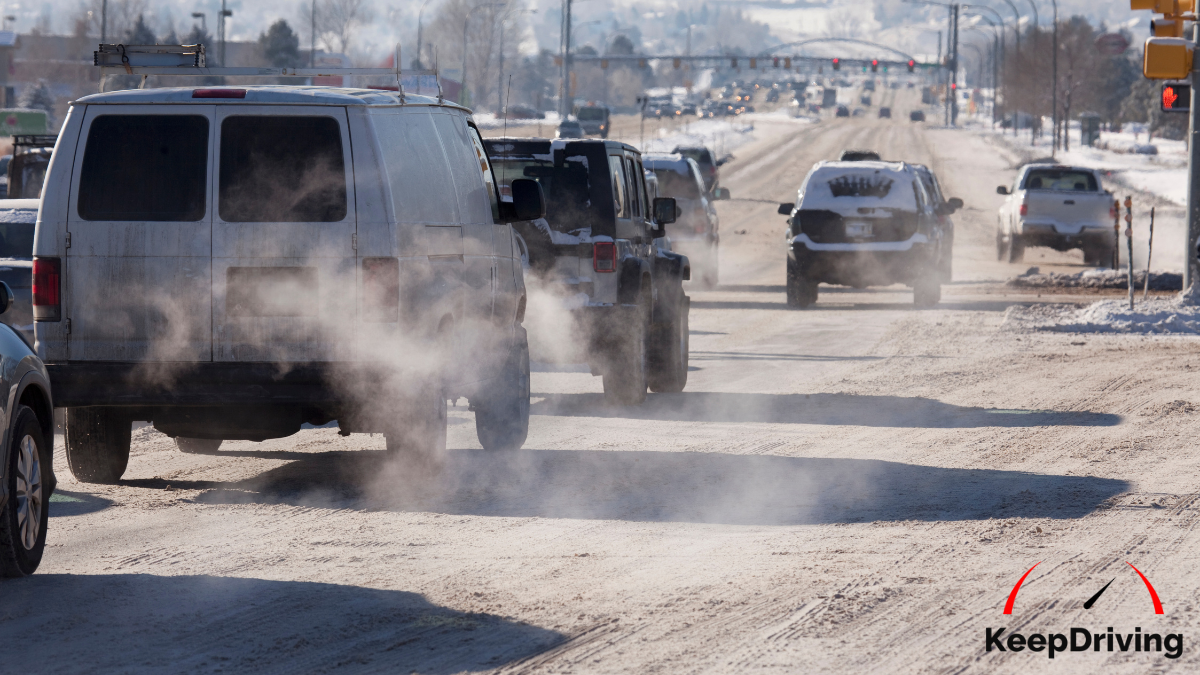
As we celebrate the advancements in eco-friendly transport, it's vital to understand the environmental impact of traditional vehicles. Fueled by petrol or diesel, they contribute considerably to gas emissions including carbon dioxide, a leading cause of global warming.
In our cities, these vehicles also add to urban congestion, increasing idling times, which additionally exacerbates air pollution. Studies show a direct link between vehicular emissions and health problems such as asthma and other respiratory diseases.
Moreover, the manufacturing process of such vehicles is energy-intensive and polluting, raising more environmental and sustainability concerns.
As we aim for cleaner air and healthier cities, acknowledging these impacts forms a pivotal part of our collective journey towards sustainable transportation solutions.
How Electric Scooters Improve Air Quality
Given the environmental impact of traditional vehicles, it's easy to see the appeal of electric scooters.
As a community passionate about sustainable urban mobility, we recognize the significant role these scooters play. Not only do they provide a convenient transport option, but they also contribute to emission reduction.
Research shows that electric scooters, compared to conventional vehicles, produce fewer greenhouse gases and particulates, leading to cleaner, healthier air. They achieve this by relying on electricity, a renewable energy source, rather than fossil fuels.
So, by choosing electric scooters, we're not just easing traffic congestion, we're also taking a step towards a cleaner, greener city.
Together, let's ride for a better tomorrow.
The Role of Electric Scooters in Sustainable Urban Development
Building on our understanding of how electric scooters contribute to cleaner air, let's now explore their role in sustainable urban development.
Electric scooters are shaping a new era of urban mobility, offering a more sustainable transportation option. They're compact, require less space than cars, and promote less congestion on our city streets. Furthermore, their energy efficiency and use of renewable electricity make them a key player in reducing urban carbon footprints.
They also provide accessibility for short-distance commutes, supporting cities' efforts in achieving sustainable development goals.
These benefits, however, don't mean the shift to e-scooters will be smooth sailing. In the next section, we'll investigate the challenges and solutions for their widespread adoption.
Challenges and Solutions in the Widespread Adoption of Electric Scooters
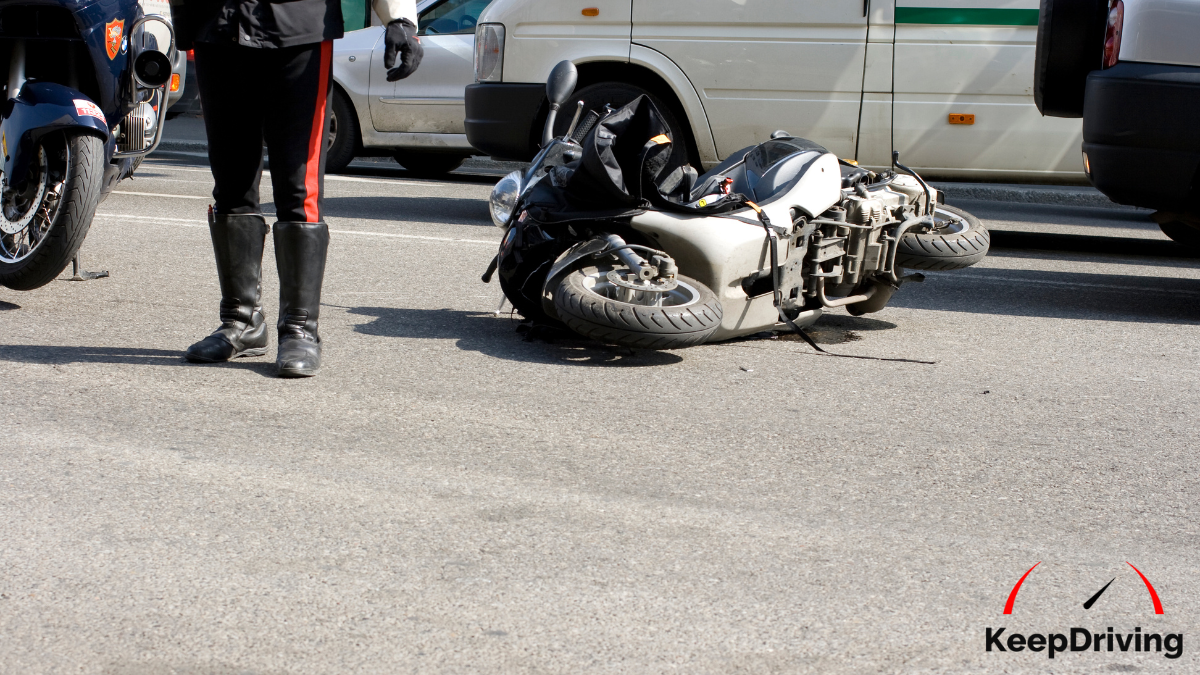
While electric scooters hold great promise for more sustainable and efficient cities, achieving widespread adoption is not without its challenges. Our collective focus must be on overcoming regulatory hurdles and ensuring user safety.
To provide a snapshot, we've compiled this table:
| Challenge | Possible Solution | Outcome |
|---|---|---|
| Regulatory hurdles | Establishing consistent guidelines across cities | Streamlined scooter adoption |
| User safety concerns | Implementing mandatory training programs | Reduced accidents |
| Infrastructure limitations | Investing in scooter-friendly urban planning | Enhanced user experience |
| Public acceptance | Promoting benefits and dispelling myths | Increased community support |
Clearing these hurdles together, we can unleash the potential of electric scooters to boost our urban air quality. Let's work towards this sustainable solution for our cities.
Frequently Asked Questions
What Is the Average Lifespan of an Electric Scooter?
We've found that the average lifespan of an electric scooter hinges on both battery longevity and scooter durability. Typically, with proper care, they'll last between 1-5 years. It's all about how well you maintain them.
How Often Do Electric Scooters Require Maintenance?
We'd suggest you conduct battery upkeep and tire maintenanceRegular checks on tire pressure, tread depth, and condition to prevent blowouts and accidents. on your electric scooter every 2-3 months. Regular maintenance helps extend its lifespan, ensuring we're all doing our part to keep our city air cleaner.
What Are the Safety Measures to Consider While Using Electric Scooters?
We always stress wearing safety gear and adhering to riding etiquette when using electric scooters. It's not just about your safety but also about ensuring a harmonious coexistence with pedestrians and other road users.
Can Electric Scooters Be Used in All Weather Conditions?
We've found that while electric scooters can handle various weather conditionsAdjusting driving practices to safely navigate in rain, snow, fog, and ice., they're best in dry climates. Wet or icy conditions pose riding challenges, potentially making scooters unsafe. Always prioritize your safety, regardless of the scooter's weather performance.
Are There Specific Laws or Regulations Regarding the Use of Electric Scooters?
Yes, there are specific laws and scooter regulations we must follow. They differ by location, so we'll need to check local usage guidelines. Let's make certain we're riding responsibly and respecting each other's space on the road.



