
In the domain of electric motorcycle technology, five pivotal innovations are shaping the future. They're lithium-ion batteries, range and speed evolution, regenerative brakingA system that recovers energy normally lost during braking and uses it to recharge the vehicle's bat..., smart connectivity, and the use of lightweight materialsThe use of materials such as aluminum, carbon fiber, and high-strength steel to reduce vehicle weigh.... These advancements are transforming the ride experience and enhancing environmental sustainability. If you're keen to understand more, we're here to unpack the forces propelling these groundbreaking changes. Let's explore more about these game-changers in the electric motorcycle industry.
Key Takeaways
- Lithium-ion batteries providing greater energy density are revolutionizing electric motorcycle technology.
- Advancements in range and speed are making electric motorcycles competitive with gas-powered ones.
- Regenerative braking systems are improving energy efficiency and sustainability in electric motorcycles.
- Smart connectivity with real-time GPS trackingA system that allows the location of a stolen vehicle to be tracked. and app integration is enhancing rider safety and experience.
- The use of lightweight materials like carbon fiber and aluminum alloys is improving performance and efficiency.
Unveiling the Power of Lithium-ion Batteries in Electric Motorcycles
While the advent of electric motorcycles has revolutionized the transportation industry, it's the power of lithium-ion batteries that truly drives this innovation.
Advancements in battery chemistry have greatly improved energy density and life cycles. These developments, coupled with charging infrastructure improvements, have propelled electric motorcycles to new heights.
However, we recognize that we're all on this journey together. Your understanding and support are critical to realizing the full potential of these innovations.
Let's continue exploring and embracing these advancements in battery technology, pushing the boundaries of what's possible.
After all, we're not just talking about bikes here; we're talking about the future of transportation.
Together, we're charging ahead, one lithium-ion battery at a time.
The Evolution of Range and Speed in Electric Bikes
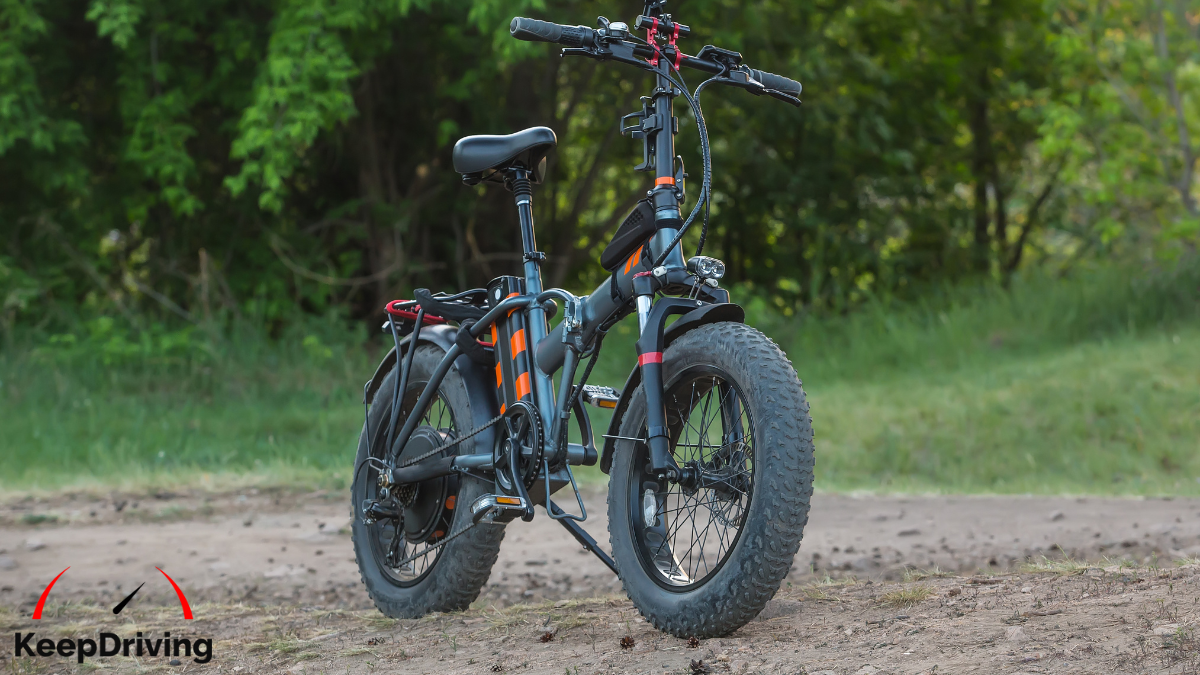
Just as lithium-ion batteries have been game-changers in the domain of electric motorcycles, so too has been the dramatic evolution in the range and speed of these bikes. The improvements in battery efficiency and performance optimization have resulted in electric motorcycles that can compete with their gas-powered counterparts.
Here's a quick comparison of the early models and recent advancements:
| Aspect | Early Models | Recent Advancements |
|---|---|---|
| Range | Short distances | Extended with superior battery efficiency |
| Speed | Relatively slow | Significantly faster due to advanced performance optimization |
We're part of this exciting evolution, witnessing a transformative stage in electric motorcycle technology. Together, we can appreciate these strides, knowing that they bring us closer to a sustainable and efficient mode of transportation.
The Role of Regenerative Braking in Power Conservation
As we explore further into the intricacies of electric motorcycle technology, we can't overlook the pivotal role of regenerative braking in power conservation.
This clever innovation transforms the energy typically lost during braking into reusable power, enhancing both energy recovery and braking efficiency. Traditional braking systems convert kinetic energy into thermal energy, which is then wasted.
Regenerative braking, however, captures this kinetic energy before it dissipates, storing it for later use. This not only conserves power but also extends the life of the braking system.
By embracing this technology, we're part of a community helping to shape a sustainable future in electric motorcycle technology.
Smart Connectivity: The Intersection of Motorcycles and Technology
Moving from the topic of regenerative braking, we now find ourselves at the exciting intersection of motorcycles and technology, specifically smart connectivity.
This integration is transforming the riding experience, enhancing safety, and boosting performance.
Let's explore the key features:
- Smart Navigation: This feature offers real-time GPS tracking, giving you the freedom to explore without losing your way.
- App Integration: This allows you to control and monitor your bike's performance from your smartphone.
- Diagnostic Information: These systems provide data about your motorcycle's health, ready for review at any time.
- Rider Assistance: Advanced systems offer aid in emergency situationsLack of preparedness for emergencies, such as breakdowns, accidents, or medical issues while driving..., improving rider safety.
- Customization: Personalize your ride settings, tailoring them to your exact preferences.
Smart connectivity is truly revolutionizing the way we interact with our motorcycles.
The Rise of Lightweight Materials in Electric Motorcycle Design
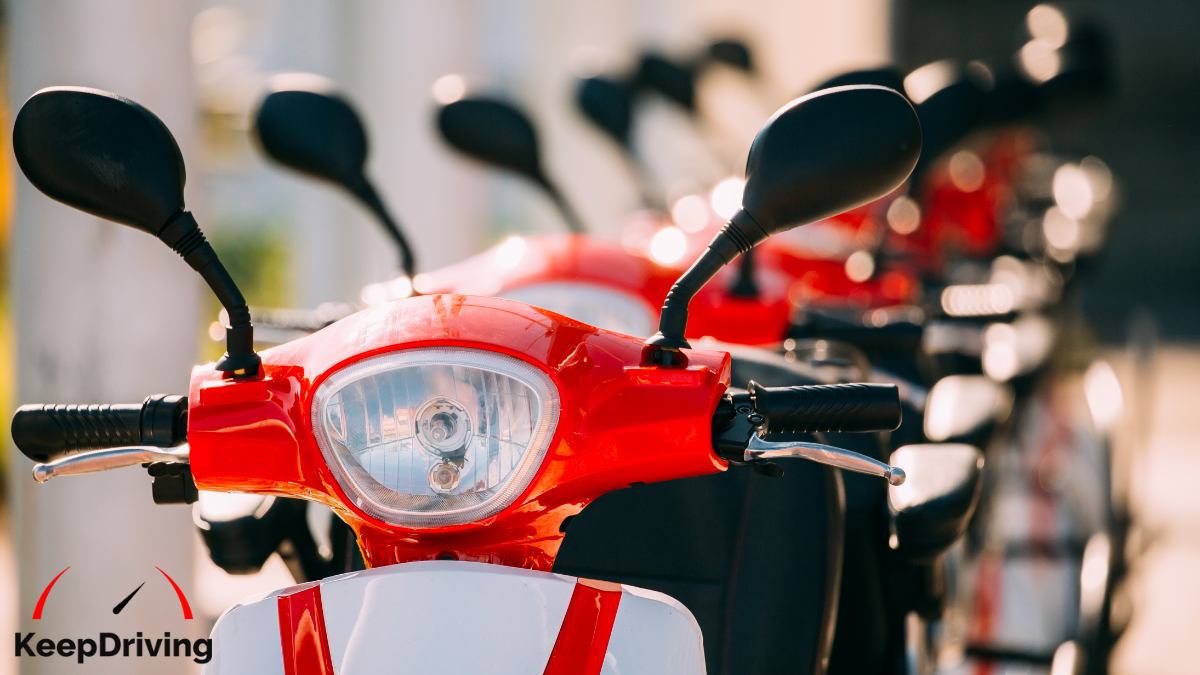
While we marvel at the progress in digital connectivity, it's equally important to recognize the rise of lightweight materials in electric motorcycle design. Carbon fiber and aluminum alloys have become game changers, considerably reducing the overall weight of electric motorcycles while maintaining structural integrity. We're seeing a shift towards these materials across the industry, driving performance up and energy consumption down.
| Material | Benefits |
|---|---|
| Carbon Fiber | High strength-to-weight ratio, corrosion resistant |
| Aluminum Alloys | Lightweight, cost-effective |
As a community, we should appreciate these advancements. They're not just making our rides lighter and faster, they're making them more efficient and environmentally friendly. This is the future of electric motorcycle technology, and we're a part of it.
Frequently Asked Questions
How Do Weather Conditions Affect the Performance of Electric Motorcycles?
We've observed that weather impacts electric motorcycles' performance metrics markedly. Cold temperatures can reduce battery efficiency, while rain might affect electronic components if they're not adequately protected. We're constantly seeking solutions to these challenges.
What Is the Lifespan of an Average Electric Motorcycle Battery?
We've found that the average electric motorcycle battery's lifespan, or battery longevity, depends on its charging cycles. Generally, we're looking at about 7 to 10 years with proper care and regular, but not excessive, charging.
What Are the Costs Associated With Maintaining an Electric Motorcycle?
We're looking at two main costs in maintaining an electric motorcycle: charging costs and tire maintenanceRegular checks on tire pressure, tread depth, and condition to prevent blowouts and accidents.. It's cheaper to charge than fuel up, and tire maintenance is similar to that of traditional bikes.
How Does the Power of an Electric Motorcycle Compare to a Traditional Gas Motorcycle?
We've found that electric motorcycles often outperform gas ones in torque delivery and acceleration rates. They're quick off the line, offering instant power that makes for an exhilarating ride. We're impressed with their performance.
How Safe Are Electric Motorcycles Compared to Conventional Motorcycles?
We've found that electric motorcycles, with their advanced safety features, can be just as safe as conventional bikes. Accident statistics don't show a significant difference. We're all on this journey toward safer riding, aren't we?