
We've analyzed DUI fatality stats and found Montana leads with the highest rate, followed by South Dakota, Texas, Wyoming, and North Dakota. Understanding BAC impact is essential—higher levels impair judgment, coordination, and reaction time. Legal measures include strict penalties and ignition interlock devices. Prevention campaigns like 'Drive Sober or Get Pulled Over' help greatly reduce incidents. Access to resources like designated drivers and rideshare apps also plays a key role. Besides, education on these issues can make a tangible difference. Stay with us to uncover seven key tips for making our roads safer.
Key Takeaways
- Montana has the highest DUI fatality rate, with a score of 100.
- South Dakota and Texas also have high DUI fatality scores of 98.78 and 98.66, respectively.
- DUI penalties include finesMonetary penalties for traffic violations., license suspensionLegal grounds and procedures for temporarily suspending a driver’s license due to infractions or med..., mandatory education, and jail time.
- Effective prevention campaigns include 'Drive Sober or Get Pulled Over' and 'Buzzed Driving Is Drunk Driving.'
Analyzing DUI Fatality Rates
When we analyze DUI fatality rates, Montana stands out as the worst state, scoring a perfect 100 due to its high rates of drunk drivers in fatal crashes and DUI arrests. This ranking highlights the severity of the issue in Montana, where drunk driving statistics reveal a significant number of traffic deaths and people killed in crashes involving alcohol-impaired drivers.
Montana's situation isn't unique, though. South Dakota follows closely with a score of 98.78, having the highest number of DUI arrests and a considerable percentage of traffic deaths caused by drunk drivers. Analyzing drunk driving fatalities in these states provides insight into the behaviors and enforcement practices that contribute to their rankings.
Texas, with a score of 98.66, showcases a high share of drunk drivers in fatal crashes, further emphasizing the need for stringent measures to combat impaired drivingDriving under the influence of alcohol, drugs, or medication that affects driving ability..
Wyoming and North Dakota, scoring 96.82 and 87.65, respectively, also reflect troubling trends with high rates of people killed in crashes and significant DUI arrests.
Understanding BAC Impact
Let's examine how increasing BAC levels affect our driving abilities.
As our BAC rises, our judgment, coordination, and reaction time start to decline, making us more prone to accidents.
Higher BAC levels dramatically increase crash risks, emphasizing the need for awareness and responsible choices.
Effects on Judgment
Understanding how different Blood Alcohol Concentration (BAC)Legal limit for alcohol in the bloodstream, typically 0.08% for adults. levels affect judgment is essential in evaluating the risks of driving under the influence. As our BAC rises, our ability to make sound decisions plummets. Even small amounts of alcohol can lead to impaired judgment. At a BAC of just .02, we might already notice a decline in our coordination and reaction time. When our BAC reaches .08, the crash risk skyrockets due to severely impaired judgment.
Here's how alcohol impacts our judgment and driving abilities:
- Coordination: Alcohol affects our motor skills, making tasks like steering and braking more challenging.
- Reaction Time: Our ability to respond swiftly to road conditions diminishes, increasing the likelihood of accidents.
- Sound Decisions: Alcohol clouds our judgment, leading us to make risky choices that we'd typically avoid.
- Crash Risk: With impaired judgment, the probability of a crash goes up drastically.
Understanding these alcohol effects helps us grasp why driving under the influence is so dangerous. By recognizing the severe impact even small amounts of alcohol have on our driving abilities, we can make better-informed decisions and promote safer roads.
Coordination and Reaction Time
As our Blood Alcohol Concentration (BAC) rises, our coordination and reaction time suffer greatly, making driving increasingly hazardous. Alcohol effects start to kick in even at lower BAC levels, leading to coordination impairment and reaction time impairment.
When we drink, our muscle control diminishes, which directly impacts our ability to steer and brake effectively. With a BAC of .08, drivers experience slower reaction times and reduced muscle control, which greatly increases the likelihood of encountering driving hazards. These impairments make it difficult to navigate the vehicle safely, putting everyone on the road at risk.
Understanding the alcohol impact on our coordination and reaction time is essential for recognizing the dangers of impaired driving. Higher BAC levels lead to more pronounced impairments, making it nearly impossible to react quickly to sudden changes or obstacles on the road.
This means that even a slight increase in BAC can create a hazardous situation.
Crash Risk Increase
The risk of crashing skyrockets at a BAC of .08, making drivers four times more likely to be involved in an accident compared to those with no alcohol in their system. We need to understand how even a small amount of alcohol can lead to significant impairments in our driving ability.
When Blood Alcohol Concentration (BAC) levels rise, the following occurs:
- Impaired judgment: Our ability to make safe decisions diminishes.
- Reduced reaction time: We can't respond as quickly to changes on the road.
- Muscle coordination issues: Our muscle control becomes less precise, affecting tasks like steering.
- Cognitive impairments: Memory and perception are compromised, making it harder to process driving information.
Even at lower BAC levels, starting from .02, alcohol begins to impair brain function and muscle coordination. This means that our reaction time slows, and our judgment becomes clouded, which dramatically increases the crash risk. As BAC levels continue to rise, these impairments become more severe, leading to dangerous driving conditions.
High-Risk Demographics
Let's focus on the high-risk demographics for DUI fatalities, specifically age and gender.
We see that young drivers, particularly those aged 21-24, are disproportionately involved in fatal crashes.
Additionally, men are notably more at risk, being involved in four times more drunk driving accidents than women.
Age Group Vulnerabilities
Young drivers, especially those aged 21-24, face the highest risk of being involved in fatal crashes due to drunk driving. This age group vulnerability is evident when we explore the drunk driving statistics. Drivers aged 21-24 had the highest percentage of Blood Alcohol Concentrations (BAC) of .08 g/dL or higher in fatal crashes. This makes them a particularly vulnerable demographic, prone to being involved in life-threatening incidents on the road.
It's not just the 21-24 age group that's at high risk; young drivers aged 15-24 also face significant dangers. This specific age group vulnerability reflects a concerning trend in drunk driving fatalities.
Here are some key points highlighting the risks:
- Drivers aged 21-24 accounted for 27% of fatal crashes in 2019.
- The highest percentage of BACs in fatal crashes were within this age group.
- Young drivers are more likely to engage in risky behaviors, including drunk driving.
- Peer pressure and lack of experience contribute to their high-risk status.
Gender-Based Risk Factors
Men overwhelmingly dominate drunk driving statistics, with 81% of those arrested for drunk driving in 2019 being male. This stark figure highlights a significant gender-based risk factor. Men are involved in four times more drunk driving accidents than women, and they account for 80% of drunk driving fatalities. These numbers point to an important issue we need to address to reduce DUI-related deaths.
Young drivers are another high-risk demographic. Those aged 15-24 had the highest percentage of fatal crashes related to drunk driving. Within this group, drivers aged 21-24 are particularly vulnerable, accounting for 27% of fatal crashes in 2019. These statistics underscore the pressing need for targeted interventions and educational programs aimed at young male drivers.
In 2019, 31% of seriously injured or deceased drivers were found to be drunk, which further emphasizes the demographic impact of alcohol on driving safety. By understanding these gender-based risk factors, we can better tailor our prevention strategies.
Whether it's through stricter law enforcement, educational campaigns, or community programs, addressing these high-risk demographics is essential for making our roads safer for everyone.
State-by-State Comparisons
In comparing DUI fatality stats across states, Montana leads with the highest score, reflecting its noteworthy issues with drunk driving-related crashes and arrests. This state-by-state analysis reveals stark differences in how each state is affected by DUI fatalities.
Montana's top score of 100 out of 100 underscores a troubling rate of drunk drivers involved in fatal crashes, leading to higher traffic deaths and DUI arrests.
South Dakota follows closely with a score of 98.78, indicating it has the highest number of DUI arrests and a substantial percentage of traffic deaths due to drunk drivers.
Texas, with a score of 98.66, also shows a high share of drunk drivers in fatal crashes, contributing significantly to traffic deaths.
Wyoming's score of 96.82 highlights its high rates of fatal crashes involving drunk drivers and numerous DUI arrests.
North Dakota, scoring 87.65, similarly reflects high rates of DUI arrests and fatalities.
Here are some key points to take into account:
- Montana: Highest DUI fatality score (100 out of 100)
- South Dakota: High DUI arrests and traffic deaths (98.78)
- Texas: Noteworthy drunk driver involvement in fatal crashes (98.66)
- Wyoming: High fatality rates and DUI arrests (96.82)
Understanding these state-by-state comparisons helps us grasp the varying severity of DUI issues across the nation.
Legal Measures and Penalties
Given the alarming state-by-state DUI fatality statistics, it's important to examine the legal measures and penalties that aim to curb drunk driving across the nation.
In the U.S., all states enforce a legal blood alcohol concentration (BAC) limit of 0.08 for drivers. Exceeding this limit triggers severe DUI penalties designed to deter such behavior.
Common DUI penalties include fines, license suspension or revocation, mandatory alcohol education or treatment programs, and even mandatory jail time. For first-time offenders, fines can range from $500 to $2,000, and license suspensions can last from 90 days to a year.
Additionally, some states mandate the installation of an ignition interlock device, which prevents the vehicle from starting if alcohol is detected on the driver's breath.
Repeat DUI offenders face harsher penalties: longer license suspensions, higher fines, mandatory jail time, and compulsory participation in substance abuse programs.
Aggravated DUI offenses, such as causing injury or death while driving under the influence, result in even more severe consequences. These can include higher fines, extended license suspensions, mandatory jail time, and felony charges.
Prevention Campaigns
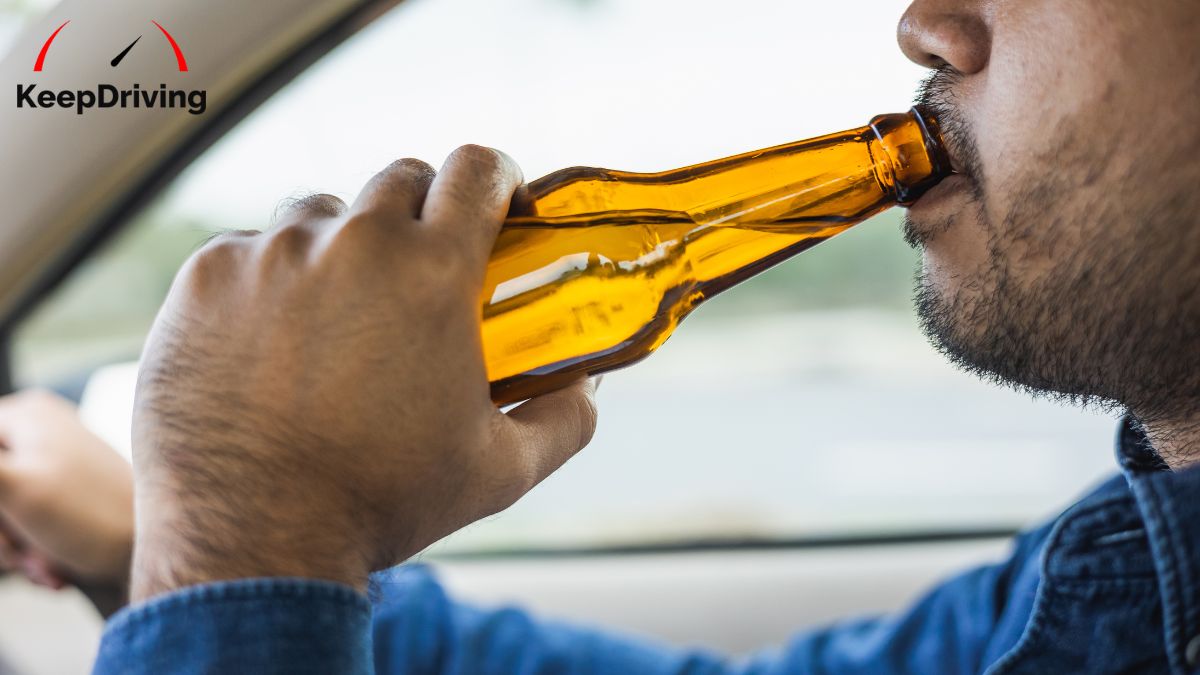
Numerous prevention campaigns, like 'Drive Sober or Get Pulled Over,' aim to educate the public and reduce drunk driving incidents. These campaigns play an essential role in DUI awareness and work to lower the number of impaired driving fatal crashes. By highlighting the dangers of alcohol impairment, they promote safer driving behaviors.
Some notable prevention campaigns include:
- Drive Sober or Get Pulled Over: This campaign focuses on the legal consequences of drunk driving and aims to deter individuals from getting behind the wheel after consuming alcohol.
- Buzzed Driving Is Drunk Driving: Emphasizing that even small amounts of alcohol can impair driving ability, this campaign seeks to educate the public on the risks associated with any level of alcohol consumption.
- Ride Sober or Get Pulled Over: This initiative promotes alternative transportation options, such as using ride-sharingPlatforms that allow multiple passengers to share a ride in a single vehicle, reducing the number of... services, to prevent drunk driving incidents.
- Sobriety checkpoints: Proven to reduce impaired driving fatal crashes by up to 24%, these checkpoints are an effective way to catch and deter drunk drivers.
Resources and Support
We can tap into various resources and support systems to help prevent drunk driving and save lives. One of the most effective ways is to ensure access to designated drivers, rideshare apps, and public transportation. These options provide safe alternatives for getting home when we've had too much to drink. By planning ahead, we can make responsible decisions that greatly reduce the risk of DUI fatalities.
Support from friends and family is also essential. Intervening when someone is about to drive drunk can be a lifesaving action. It's important to speak up and offer assistance, whether by calling a cab, arranging a rideshare, or providing a safe place to stay.
Education plays a crucial role in prevention. By raising awareness about the dangers of drunk driving, we can encourage others to make responsible choices. Informing people about the severe consequences of DUI incidents helps create a culture of accountability and safety.
In states like Rhode Island, Vermont, and North Dakota, where alcohol-related accidents are notably low, the combination of these resources and support systems shows that prevention is possible. Let's use these tools to reduce DUI fatalities and make our roads safer for everyone.
Frequently Asked Questions
Which State Currently Ranks No. 1 in Drunk Driving Fatalities?
Montana currently ranks No. 1 in drunk driving fatalities. We've got the highest rates of drunk drivers in fatal crashes and DUI arrests. It's a serious issue that needs urgent attention to improve road safety.
What are the worst states in which to get a DUI?
The worst states to get a DUI in are Montana, South Dakota, Texas, Wyoming, and North Dakota. They've got high DUI arrest rates and fatal crashes involving drunk drivers. We should avoid driving under the influence everywhere, though, for safety.
What Age Range Is Most Affected by DUI Deaths?
We see that individuals aged 21-24 are the most affected by DUI deaths. This age group has the highest percentage of drivers involved in fatal DUI crashes, making it a critical focus for prevention efforts.
How Often Is Someone Killed in the US by a Drunk Driver?
We face a tragic reality: every day, about 37 people in the U.S. die in drunk driving crashes. That's roughly one person killed every 39 minutes due to impaired driving. Let's work together to change this.
Conclusion
We've explored the critical aspects of DUI fatality stats, from understanding BAC impact and identifying high-risk demographics to comparing state-by-state data and examining legal measures.
By recognizing these factors, we can better advocate for effective prevention campaigns and utilize available resources. Together, we can make our roads safer and reduce the tragic loss of life due to impaired driving.
Let's commit to staying informed and proactive in our efforts against DUI-related fatalities.