
Auto warranty coverage has limits to guarantee a balanced responsibility between providers and car owners. It's essential to know that these restrictions, often on mileage and specific parts, safeguard providers from excessive claims, particularly as cars age and accrue more miles. Simultaneously, it helps keep warranty plans affordable for you. The fine print might seem intimidating, but traversing it can provide clarity on what's covered and what isn't. Stick around; we'll break down these intricacies to help you make the most out of your warranty.
Key Takeaways
- Limits on auto warranty coverage protect providers from excessive risk associated with high mileage and potential mechanical failuresIssues like tire blowouts, brake failures, or engine problems that can cause loss of control..
- Specific part exclusions in warranties, such as wear-and-tear items and high-tech systems, minimize the scope of potential claims.
- Limits also exclude damages due to accidents, misuse, or non-approved parts to prevent coverage of self-inflicted vehicle issues.
- Restrictions on heavily used cars safeguard warranty providers, as these vehicles are more prone to wear and tear.
- The balance between warranty duration and mileage restrictions creates a manageable coverage plan, reducing the provider's liability.
Understanding the Basics of Auto Warranty Coverage
When we explore the domain of auto warranty coverage, it's essential to grasp the fundamentals.
Auto warranties can be categorized into several types, each with its own coverage duration. Understanding the basic warranty types is like knowing the rules of the game.
There are two main types of warranty: powertrain warranty and bumper-to-bumper warranty. The former covers the car's engine, transmission, and other important parts, usually for a longer duration.
The latter, though shorter in coverage duration, offers broader protection, including most car parts except those subject to wear and tear.
Knowing these facts, we're part of a community that can confidently navigate the ins and outs of auto warranty coverage.
The Reason Behind Mileage Restrictions in Auto Warranties
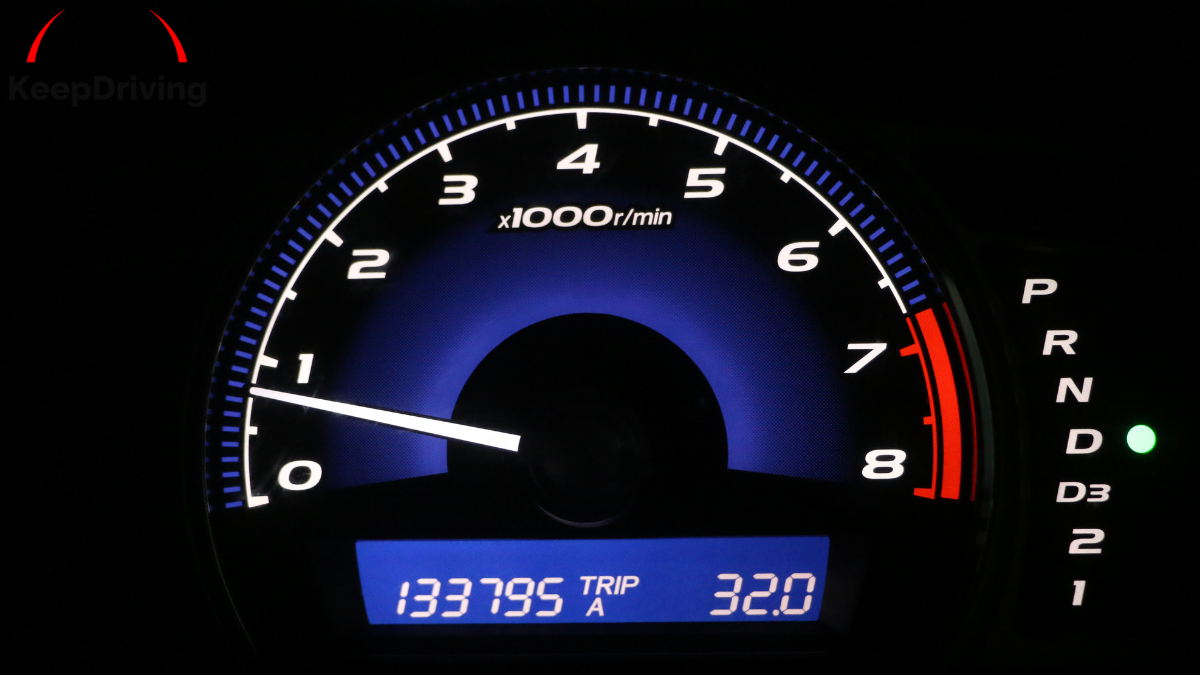
While we appreciate the protection our auto warranties offer, it's equally essential to understand the reason behind their mileage restrictions.
These restrictions serve as a safeguard for warranty providers, limiting their risk exposure. They've analyzed data and found a correlation between increased mileage and the likelihood of mechanical failure.
So, they set mileage restrictions to manage their potential liabilities. Remember, a car that's heavily used is more prone to wear and tear. This means warranty providers would have to foot more repair bills if there were no restrictions.
Essentially, the warranty duration and mileage restrictions work hand in hand to create a balanced coverage plan, protecting both our interests and those of the warranty provider.
Exploring Specific Part Exclusions in Your Warranty
Although our auto warranties provide substantial coverage, it's crucial to explore the specifics and understand the exclusions that apply.
The warranty specifics can surprise many of us, and the part exclusions can sometimes leave us feeling stranded.
Here's what you might typically find excluded:
- Wear-and-tear items like brake pads and wiper blades.
- Regular maintenance parts like oil filters and spark plugs.
- High-tech systems like GPS or in-car entertainment systems.
- Damage due to accidents or misuse.
- Modifications or parts not approved by the manufacturer.
Knowing these exclusions helps us better prepare for potential costs and make informed decisions about our car maintenance.
After all, we're all in this journey together, aren't we?
Impact of Auto Warranty Limits on Car Owners
Despite the undeniable benefits of auto warranties, we must consider the impact of their limits on us as car owners. Our community often faces warranty anxiety stemming from coverage confusion and the uncertainty of what's included and excluded.
These limitations can lead to unexpected out-of-pocket expenses, especially when certain parts fail outside of the warranty's scope. It's like traversing a complex maze without a clear map.
Additionally, the intricacies of warranty policies might compel some of us to delay necessary repairs, exacerbating the vehicle's condition over time. To feel secure and informed, it's essential we comprehend these limits, their implications, and how they shape our ownership experience.
Together, we can navigate these challenges and drive with peace of mind.

Steering through your auto warranty coverage may seem intimidating, but armed with the right tips, we can maximize the benefits without falling into common pitfalls.
Here's how we can navigate and maximize our auto warranty coverage:
- Understand the claims process thoroughly. It's essential to know how to make a claim effectively.
- Evaluate warranty extensions. These can provide additional coverage, but assess if the cost is worthwhile.
- Regular maintenance is key. It keeps our cars in shape and can prevent warranty avoidance.
- Keep all repair and service records. They'll back up our claims and prevent disputes.
- Be aware of warranty transferability. If we decide to sell, the warranty could be a selling point.
Let's embrace these strategies and enjoy our journey on the road.
Frequently Asked Questions
What Happens if My Auto Warranty Expires While My Car Is Still in Repair?
If your auto warranty expires during repairs, we'll face warranty expiration implications. This might impact the repair status. It's essential to understand the terms of your warranty to avoid unexpected expenses. We're in this together.
Can I Transfer My Auto Warranty to a New Owner if I Sell My Car?
Sure, we can transfer our auto warranty during the selling process. It's a great sales incentive! However, certain conditions must be met, so it's best we comprehend the warranty transfer policy fully before proceeding.
How Does a Manufacturer Recall Affect My Auto Warranty Coverage?
We're glad you asked! A manufacturer's recall doesn't negatively impact your warranty validity. In fact, it often complements it, addressing issues beyond the warranty's scope and ensuring you're not left in the lurch.
Are Aftermarket Parts and Modifications Covered Under My Auto Warranty?
We're afraid aftermarket partsParts made by companies other than the vehicle’s manufacturer, often used for customization. and modifications aren't typically covered under auto warranty. They're often considered warranty exclusions. It's essential to understand your warranty's terms to avoid unexpected costs or voiding your coverage.
Does My Auto Warranty Cover Breakdowns or Damages When Driving Abroad?
We're sorry, but typically, your auto warranty doesn't cover breakdowns or damages when driving abroad due to international coverage and warranty limitations. It's essential to check your warranty for specific coverage details before traveling.