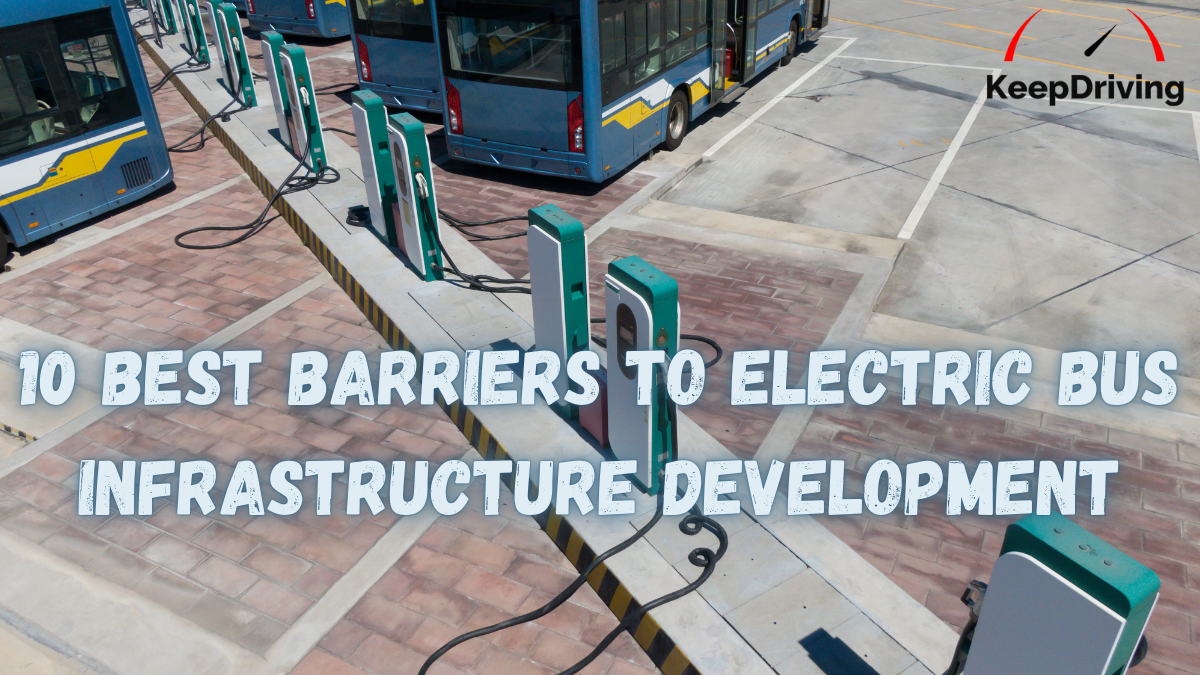
In our quest for sustainable transit, we're faced with various obstacles in developing electric bus infrastructure. These barriers include hefty upfront costs, technical limitations, infrastructure challenges, and workforce gaps. Additionally, uncertainties regarding future technology advancements, environmental concerns, recycling issues, and public skepticism present significant hurdles. By delving deeper, we can demystify these challenges and strategize on how to tackle them, ensuring a smoother shift to this eco-friendly form of public transportation.
Key Takeaways
- High upfront costs and ongoing maintenance expenses pose significant financial challenges to electric bus infrastructure.
- Technical issues such as battery management and grid capacity upgrades limit operational efficiency and reliability.
- Regulatory barriers, including lack of unified compliance and outdated policies, hinder the transition to electric buses.
- A shortage of skilled workforce and uncertainties about future technology breakthroughs add to the complexities of electric bus infrastructure development.
- Environmental concerns, public skepticism, and trust issues need to be addressed to successfully implement electric bus infrastructure.
Initial Investment and Cost Concerns
One of the most formidable barriers to the development of electric bus infrastructure is the initial investment and ongoing cost concerns. It's this fear of the unknown that often halts our progress.
We recognize that securing initial funding can be intimidating. Not only is there a substantial upfront cost, but recurring maintenance expenses also pose a challenge. Investment strategies need to be robust, considering both the short-term setup costs and the long-term operational charges.
However, remember, we're in this together. By acknowledging these financial challenges, we can collectively devise solutions. Embracing electric buses isn't a solo task; it's a communal journey.
We must explore innovative financing models and partnership opportunities to overcome these fiscal hurdles.
Technical Limitations of Electric Buses
While we grapple with financial concerns, technical limitations of electric buses also warrant our attention. The issue of battery management is one such hurdle.
As it stands, the lifespan, charging speed, and energy capacity of electric bus batteries leave much to be desired. We're seeing buses that can't run a full day on a single charge, constraining their operational capacity.
Then there's the question of power efficiency. Electric buses must balance between power consumption and distance coverage. Any inefficiencies could lead to more frequent charging, limiting bus availability and disrupting schedules.
As we work towards a greener future, we must address these technical challenges, ensuring our electric buses are as reliable and efficient as their conventional counterparts.
Infrastructure Development Challenges
Beyond the technical hurdles, we're also faced with significant infrastructure development challenges when it comes to electric buses. A key part of our discussion involves urban planning and funding models. Our cities aren't yet equipped to support large-scale electric bus operations. Funding models too are problematic, as there's a pressing need for financial resources to build charging stations and retrofit existing facilities.
To illustrate, let's consider the following table:
| Challenge | Impact on Urban Planning | Funding Model Implications |
|---|---|---|
| Charging Infrastructure | Requires strategic placement of charging stations | Capital-intensive investment needed |
| City Layout | Requires alterations to existing routes | Additional costs for re-routing |
| Grid Capacity | Need for grid upgrades | Investment in grid infrastructure |
| Maintenance Facilities | Retrofitting existing facilities | High upfront costs |
| Bus Procurement | Requires specialized procurement processes | Need for innovative funding mechanisms |
We're all in this together, and overcoming these hurdles will require collective effort and strategic planning.
Battery Life and Charging Issues
Let's now turn our attention to the vital topic of battery life and charging issues.
Limited battery capacity, inefficient charging systems, and infrastructure for battery swapping pose significant challenges in the development of electric bus infrastructure.
These issues, while not insurmountable, represent pivotal barriers to widespread adoption and need careful consideration.
Limited Battery Capacity
Even though we fully embrace the environmental benefits of electric buses, we can't overlook the issue of limited battery capacity. This barrier, deeply rooted in current battery technology, greatly impacts the energy density and overall performance of electric buses. Here's why:
- Energy Density: Current battery technology simply can't store enough energy per unit weight. This limits the range of electric buses, making long routes challenging.
- Battery Life: The life cycle of batteries is a concern. Over time, they can't hold the same charge, reducing the bus's range even further.
- Charging Time: Though not the focus here, it's important to note that long charging times, often coupled with limited battery capacity, pose considerable operational challenges.
These hurdles remind us that while our green future is within reach, some technical obstacles still need to be overcome.
Inefficient Charging Systems
While limited battery capacity poses significant challenges, the inefficiencies of current charging systems compound these issues further.
Present charging technologies, particularly wireless and fast charging, aren't yet fully optimized. Wireless chargingA method of charging electric vehicles without cables by using electromagnetic fields., though convenient, often results in energy loss during transmission. They're not as efficient as plug-in systems.
Fast charging, while reducing downtime, can negatively impact battery lifespan, leading to frequent replacements. Furthermore, many charging stations fail to provide adequate power for fast charging, slowing the process considerably.
Additionally, existing charging systems often lack universal compatibility, causing interoperability issues.
Infrastructure for Battery Swapping
Given the limitations of current charging technologies, it's imperative we consider alternatives. One such promising solution is battery swapping. This approach, however, comes with its own set of challenges, particularly in infrastructure design.
To begin with, setting up battery swapping stations requires significant capital investment.
In addition, standardization issues arise as different electric bus manufacturers may use different battery designs.
Thirdly, the logistics of storing and managing a large inventory of batteries is a complex task.
While battery swapping could revolutionize the way we power electric buses, we must acknowledge and address these barriers.
Let's work together to create a sustainable, interconnected future. After all, this isn't just about technology—it's about belonging to a cleaner, greener world.
Handling the Current Demand for Public Transit
As we tackle the issue of electric bus infrastructure, it's essential to reflect on the current demand for public transit.
We're seeing a rise in transit demand, which calls for increased service frequency. However, this is a double-edged sword; while more buses mean better service, it also means more strain on the infrastructure.
We must consider how to balance the need for more buses with the capacity of existing charging facilities. Furthermore, we must also address the challenges of integrating new electric buses into current transit systems.
Failure to adequately handle this demand could result in service disruptions, affecting the very people we aim to serve.
Together, we can overcome these challenges and make sustainable public transit a reality.
Regulatory Hurdles and Policy Limitations
Despite the potential benefits of electric buses, we're facing significant regulatory hurdles and policy limitations.
These barriers can slow down the pace of implementing electric bus infrastructures.
- The lack of unified regulatory compliance across regions makes it tough to roll out nationwide initiatives. This inconsistency leads to confusion and inefficiencies.
- Current policy frameworks may not favor the shift from traditional buses to electric ones. They may lack the provisions or incentives needed to facilitate this change.
- In some cases, outdated policies can actively hinder the adoption of electric buses, as they were created with traditional fuel sources in mind.
We need to address these challenges head-on to make our public transportation more sustainable and help our communities flourish.
Lack of Skilled Workforce and Training
Regulatory and policy barriers aside, another significant impediment to the development of electric bus infrastructure is the shortage of a skilled workforce and extensive training programs.
Our industry's workforce development is lagging, with a lack of technical experts who know the ins and outs of electric bus systems. This makes it tough for us to maintain, repair, and improve these vehicles.
Moreover, there's a dearth of thorough training programs. We're struggling to equip our workers with the necessary skills to handle this new technology. This scarcity threatens our progress and community's sense of belonging.
Hence, we must ramp up our efforts to train a proficient workforce and create robust training programs. Together, we can overcome this roadblock.
Uncertainties About Future Technology Advancements
While we grapple with the existing challenges, there's another stumbling block on the road to the widespread adoption of electric buses - the uncertainty about future technology advancements.
As we push the boundaries of what's possible in the present, we're left wondering what the future holds. Will tomorrow's innovation trends render today's investments obsolete? This is a question that haunts us all.
- Future technologies: We're not sure what breakthroughs await, potentially revolutionizing the electric bus industry.
- Fast-paced changes: Given the speed of technological progress, the infrastructure we build today might be outdated sooner than expected.
- Cost of adaptability: Adapting to new technologies as they emerge can be costly, potentially straining budgets and resources.
We, as a collective, must face these uncertainties head-on, turning challenges into opportunities for growth and innovation.
Environmental and Recycling Concerns
Even as we navigate the complexities of future technology advancements, there's another major hurdle we need to address in our quest for more sustainable public transportation - environmental and recycling concerns.
As we changeover to electric buses, the disposal of old diesel buses poses a notable environmental challenge. Without proper recycling programs, these discarded vehicles may contribute to landfill waste, greatly negating our sustainability practices.
Additionally, the recycling of electric bus batteries, which contain harmful materials, presents another concern. While the benefits of electric buses are clear, we must address these environmental and recycling issues head-on.
Public Perception and User Acceptance
We're now shifting our focus to the vital aspect of public perception and user acceptance.
It's important to address overcoming resistance to change and cultivating trust in technology when considering the development of electric bus infrastructure.
These two points are key in ensuring the successful implementation and wide acceptance of this sustainable transportation alternative.
Overcoming Resistance to Change
Despite the clear environmental and economic benefits of electric bus infrastructure, public perception and user acceptance often present significant hurdles.
This resistance to change can be attributed to cultural inertia and organizational resistance.
We need to address this issue head-on. Here are three potential approaches:
- Promote Sustainability: Highlight the long-term benefits of electric buses, emphasizing the reduction in carbon emissions and potential cost savings.
- Engage Stakeholders: Involve community members, local governments, and transportation authorities in the decision-making process. This encourages ownership and acceptance.
- Implement Incrementally: The gradual introduction of electric buses can help alleviate fears and reduce resistance.
Together, we can overcome resistance and build a more sustainable future.
In our next segment, we'll discuss "Cultivating Trust in Technology".
Cultivating Trust in Technology
As we commence into the domain of electric bus infrastructure, it's crucial to cultivate trust in this new technology. Trust building is a cornerstone for successful technology adoption, especially for something as significant as this.
We recognize the concerns about the reliability, safety, and efficiency of electric buses. However, to foster acceptance, we must provide transparent, factual information about the benefits and limitations of electric bus technology.
Our community's combined efforts can dispel misconceptions and encourage informed decisions. By doing so, we guarantee that each member feels included in the change, solidifying our collective commitment to a greener future.
Ultimately, nurturing trust in technology is a collective journey that we must undertake together to secure a sustainable and inclusive future.
Frequently Asked Questions
What Is the Average Operational Lifespan of an Electric Bus?
We've found that an electric bus's average operational lifespan revolves around 12-16 years. Battery lifespan and maintenance costsThe costs associated with keeping a vehicle in good working condition, including repairs and regular... are significant factors, but we're all in this together to find sustainable solutions.
Are Electric Buses Safer Than Traditional Buses?
We've found that electric buses, with their advanced safety features, do tend to have lower accident rates than traditional buses. It's essential we're all part of this shift towards safer, greener public transportation.
How Does Extreme Weather Affect the Performance of Electric Buses?
We've found that extreme weather impacts can present performance challenges for electric buses. Cold can reduce battery life, while heat may strain cooling systems. We're all in this together, working towards sustainable solutions.
How Do Electric Buses Contribute to Reducing Greenhouse Gas Emissions?
We're all part of this change. By using electric buses, we're considerably reducing greenhouse gas emissionsGases like carbon dioxide (CO2) and methane (CH4) that trap heat in the atmosphere, contributing to .... They're a sustainable transportation solution, making our cities greener, our air cleaner, and our global family healthier.
Can Existing Bus Depots Be Adapted for Electric Bus Charging?
Yes, we can retrofit existing bus depots for electric bus charging. It's a significant part of the charging infrastructure development. However, it's not without challenges - space, power capacity, and cost being the main ones.