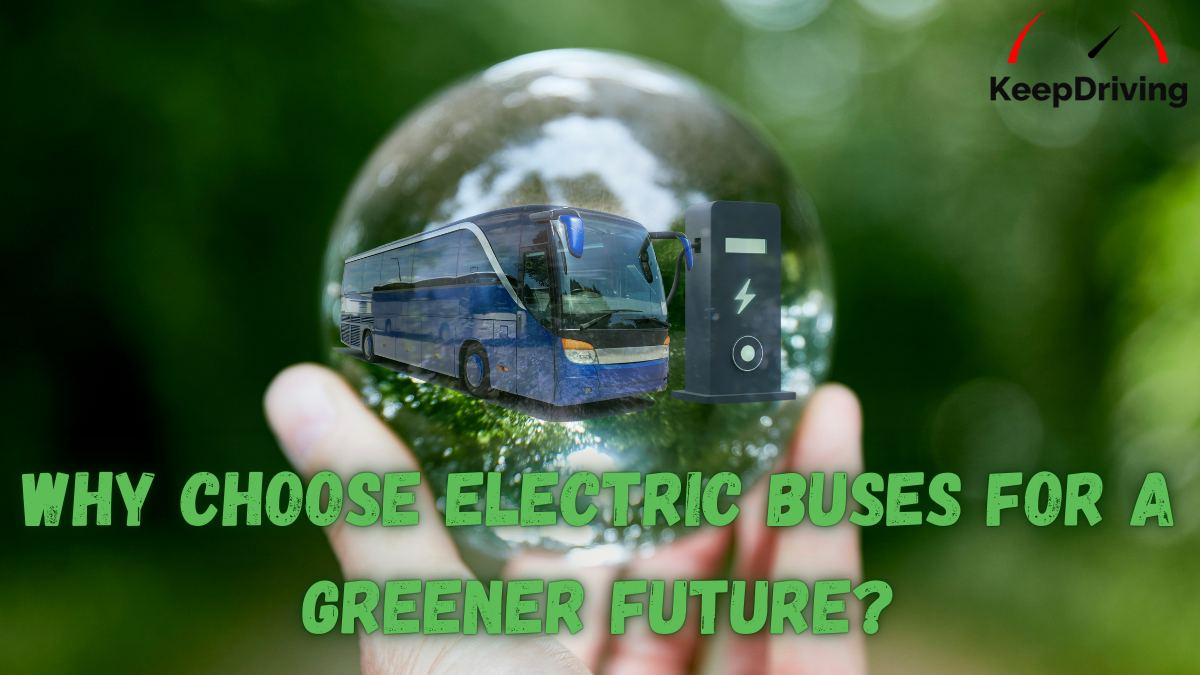
Choosing electric buses propels us towards a greener future. They dramatically cut greenhouse gas emissionsGases like carbon dioxide (CO2) and methane (CH4) that trap heat in the atmosphere, contributing to ..., unlike traditional buses that pollute the air with harmful gases. In addition, they represent a smart economic choice with lower fuel and maintenance costsThe costs associated with keeping a vehicle in good working condition, including repairs and regular.... Unbelievably, advancements in technology mean electric buses are now more effective than ever! Stick with us, and you'll discover the transformative impact they could have on our communities and the exciting future of public transportation.
Key Takeaways
- Electric buses significantly reduce greenhouse gas emissions, contributing to a healthier environment and combating global warming.
- They utilize advancements in battery technology, enhancing their efficiency and reducing their charge times.
- Despite higher upfront costs, electric buses offer long-term savings due to lower fuel and maintenance costs.
- The adoption of electric buses aligns with global sustainability efforts and promotes community engagement in eco-friendly practices.
- Increased use of electric buses leads to improved public health outcomes due to reduced air pollution.
Understanding the Environmental Impact of Traditional Buses
While we often consider buses to be a more environmentally friendly option due to their ability to carry multiple passengers at once, it's crucial to recognize the significant environmental impact of traditional buses.
Their fuel consumption is tremendous, with one bus guzzling down gallons of diesel each day. This heavy fuel usage contributes massively to air pollution, releasing harmful emissions into our atmosphere.
These emissions include greenhouse gases, like carbon dioxide, which exacerbate global warming. Also, particulates and nitrogen oxides from bus exhausts pose severe health risks.
As a community, we must face this reality and explore alternatives. Recognizing the environmental cost of conventional buses is our first step towards a greener, more sustainable future.
The Role of Electric Buses in Reducing Carbon Emissions
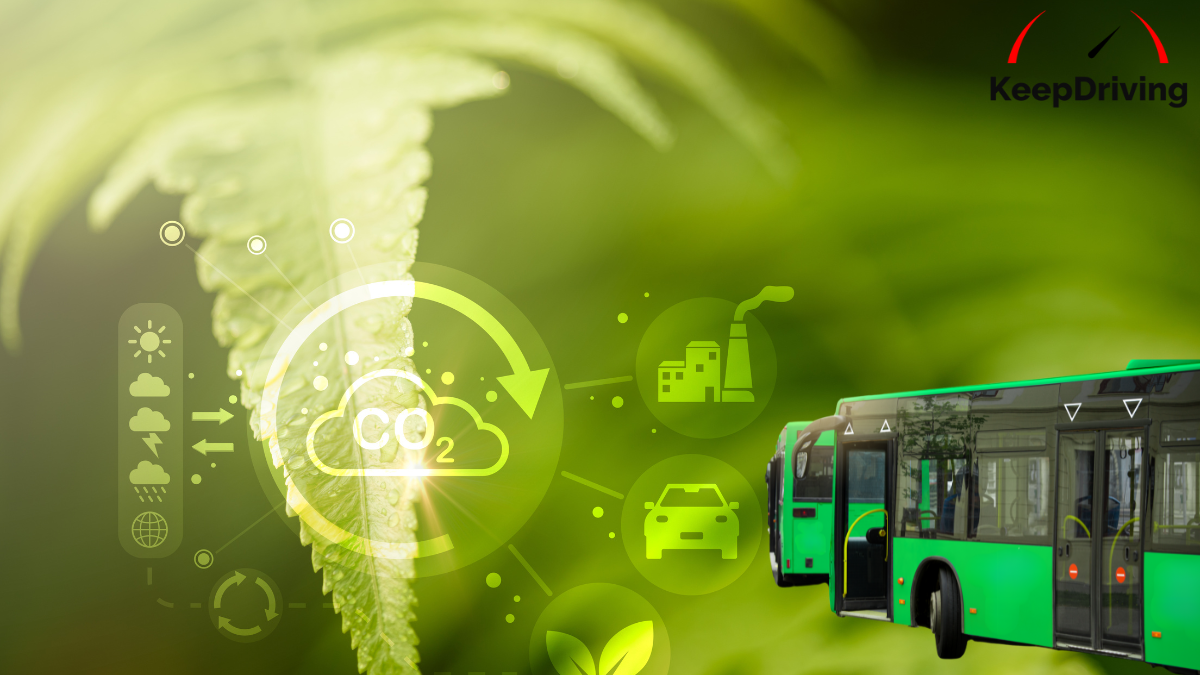
As we pivot towards greener alternatives, electric buses emerge as a leading solution to the carbon emission problems associated with traditional buses.
Electric bus benefits extend beyond mere transportation, offering significant carbon footprint reductionEfforts made by ridesharing companies to minimize their environmental impact.. By utilizing electric power instead of fossil fuels, these buses reduce the amount of harmful byproducts released into the atmosphere.
For every traditional bus replaced, we see a substantial reduction in greenhouse gases, contributing to a healthier environment for us all.
As a community, we can make a significant impact by embracing electric buses as a greener alternative. It's a collective stride towards a sustainable future, and we're all part of it.
Together, we can help build a cleaner, healthier world for generations to come.
Cost and Efficiency: Comparing Electric and Conventional Buses
Despite the initial upfront costs, electric buses have proven to be more cost-effective and efficient in the long run compared to their conventional counterparts.
We've found that the operational savings from electric buses are significant, stemming primarily from lower fuel and maintenance costs. As we all aim for a sustainable future, it's worth noting that the expenses associated with electric buses decrease over time.
They require less routine maintenance, which further amplifies the cost savings. So, while it's true that electric buses may cost more at the outset, the operational savings and efficiency they offer make them a smart investment, contributing not only to our environment but also to our collective financial well-being.
The Future of Public Transportation: Advancements in Electric Bus Technology
Building on the cost and efficiency benefits of electric buses, it's important to explore the exciting advancements in electric bus technology that are paving the way for the future of public transportation.
Foremost among these advancements is battery technology. Rapid strides in this field are increasing bus range and reducing charge times, making electric buses more viable for long routes and frequent service.
Equally vital is the development of a robust charging infrastructure. We're seeing an uptick in fast-charging stations in cities worldwide, ensuring buses can recharge quickly and conveniently.
Let's embrace these advancements together, for they're not just transforming public transportation; they're also creating a greener, more sustainable future for us all.
Frequently Asked Questions
What Is the Lifespan of an Electric Bus Compared to Conventional Buses?
We've found electric buses outlive conventional ones thanks to superior battery longevity. They demand less upkeep, reducing maintenance costs. So, not only are we saving money, we're also part of the sustainable solution.
How Are Old Electric Bus Batteries Disposed of or Recycled?
We're often asked how old electric bus batteries are handled. They're actually recycled, greatly reducing environmental impact. This battery recyclingThe process of reclaiming and reusing materials from used batteries to reduce waste and conserve nat... process guarantees we're all part of a cycle that's beneficial to our shared world.
What Are the Challenges Associated With the Infrastructure for Electric Buses?
We're facing challenges with electric bus infrastructure, particularly regarding charging stations and maintenance costs. It's difficult to establish sufficient charging points and the upkeep for these buses can be costly, but we're determined to overcome these hurdles.
What Are the Safety Measures in Place for Electric Buses?
We're committed to safety with electric buses. They've got strict safety protocolsAdhering to all safety protocols such as mask-wearing and hand sanitizing, especially during health ... for accident prevention. Think automatic braking systems and rigorous driver training. It's about making our shared green future as safe as it is sustainable.
How Do Electric Buses Perform Under Severe Weather Conditions?
We've found that electric buses perform quite well under severe weather conditionsAdjusting driving practices to safely navigate in rain, snow, fog, and ice.. Battery efficiency can drop with temperature impact, but it's not significant. We're all in this together, making greener choices for our shared future.