Electric buses are getting a tech makeover, with innovations drastically enhancing their performance and sustainability. The front-runners include advanced battery technology for better life and faster charging, wireless systems eliminating the need for cables, autonomous features that reduce human error, AI-driven energy management for optimized utilization, and IoT for real-time monitoring. Enrich your knowledge about how these cutting-edge technologies are reshaping the future of electric bus transportation as you study further.
Key Takeaways
- Advanced battery technology enables quick charging and enhanced efficiency for electric bus operations.
- Wireless chargingA method of charging electric vehicles without cables by using electromagnetic fields. systems provide efficient and safe charging infrastructure through elimination of physical connections.
- Autonomous driving features, using advanced sensors and algorithms, improve safety and contribute to a connected community.
- AI-powered energy management systems maximize energy utilization, predict maintenance requirements, and enhance reliability.
- Integration of IoT in electric bus operations allows real-time monitoring, predictive maintenanceUsing data analytics to predict when a vehicle will need maintenance and addressing issues before th..., and improved rider experience.
Advanced Battery Technology for Electric Buses
While we're all aware of the growing popularity of electric vehicles, it's the advanced battery technology that's truly driving this revolution, particularly in the public transportation sector.
We're seeing an increase in fast-charging solutions for electric buses, which are essential for maintaining efficient public transport schedules. This technology has drastically improved the usability of electric buses, allowing for quick turnaround times and increased battery life.
Yet, we can't ignore the environmental impact of spent batteries. That's why we're also seeing a surge in battery recyclingThe process of reclaiming and reusing materials from used batteries to reduce waste and conserve nat... initiatives to handle used batteries responsibly.
This holistic approach to battery technology - focusing not just on performance but also on lifecycle management - is setting a new standard in the electric vehicle industry.
The Rise of Wireless Charging Systems
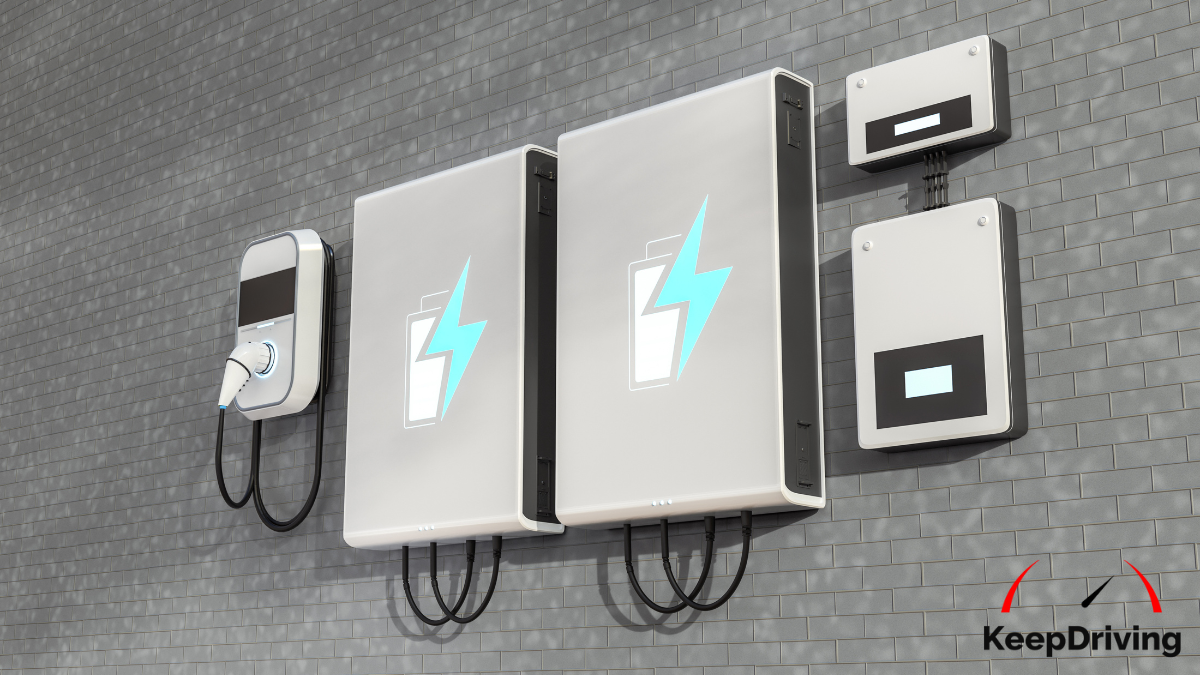
As we explore deeper into the innovations of electric bus technology, another game-changer that's catching our attention is the rise of wireless charging systems.
These systems, primarily inductive charging-based, are revolutionizing the charging infrastructure, offering seamless integration and operation.
Here's why we're excited:
- *Efficiency*: Wireless charging systems eliminate the need for physical connections, reducing the potential for wear and tear.
- *Safety*: With no exposed wires, they greatly lower the risk of electrical faults.
- *Convenience*: Buses can be charged at any point along the route, reducing downtime.
- *Future-proof*: These systems are agile and scalable, ready to adapt to the ever-evolving e-mobility landscape.
This innovation not only caters to our need for belonging but also promises a sustainable future for all.
Autonomous Driving Features in Electric Buses
Diving into the world of autonomous driving features, electric buses are making a huge leap forward.
Automated navigation systems are being integrated, enabling buses to negotiate complex cityscapes with ease. We're seeing a dramatic reduction in human error, enhancing safety for both passengers and pedestrians.
These systems use advanced sensors and algorithms to interpret surroundings, predict potential hazards, and make calculated decisions. It's not just about getting from A to B; it's about ensuring we all reach our destinations safely.
These advancements aren't just about technology; they're about creating a sense of belonging, a safer community for us all.
Autonomous driving features in electric buses are more than an innovation; they're a stride towards a safer, more connected future.
AI-Powered Energy Management Systems
Harnessing the power of artificial intelligence, we've developed sophisticated energy management systems for electric buses.
These utilize AI for smart grid integration and predictive maintenance, enhancing efficiency and reliability.
Our AI-powered systems offer:
- Smart grid integration: AI guarantees seamless integration with the grid, maximizing energy utilization and reducing operational costs.
- Predictive maintenance: AI predicts potential issues, enabling timely repairs and reducing downtime.
- Efficient energy management: Our systems intelligently manage energy consumption, ensuring peak performance.
- Improved reliability: With AI, we can guarantee consistently high performance, giving you peace of mind.
The Integration of IoT in Electric Bus Operations
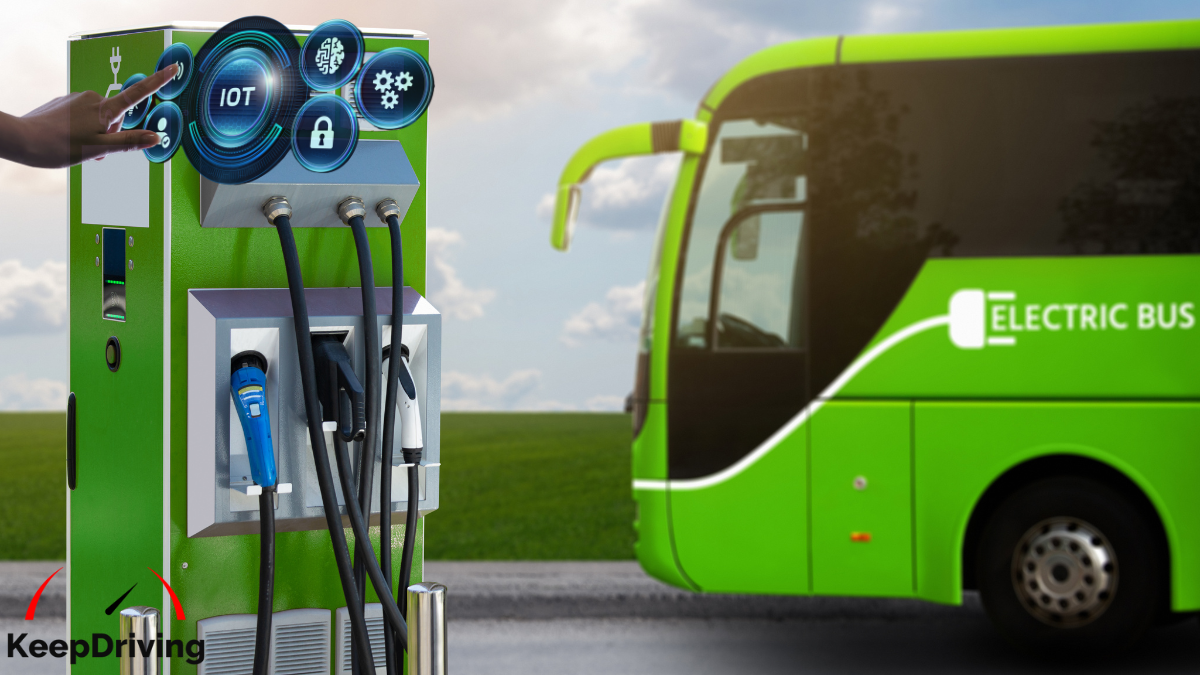
Building upon our technological prowess, we've integrated Internet of Things (IoT) into our electric bus operations. This integration creates a network of physical devices that communicate and interact in real-time.
We're leveraging IoT for real-time monitoring and predictive maintenance, creating a bus system that's efficient and reliable. Sensors provide data on bus health, including battery status and component wear. This data is analyzed to predict potential issues and schedule maintenance, preventing breakdowns.
| Benefits of IoT | In Action |
|---|---|
| Real-time Monitoring | Sensors relay bus health data continuously. |
| Predictive Maintenance | Data analysis identifies potential issues, prompting timely maintenance. |
| Efficiency | IoT integration reduces breakdowns and enhances rider experience. |
| Reliability | Consistent bus performance builds trust among riders. |
We're fostering a community where buses aren't just a mode of transport but a symbol of our shared commitment to innovation.
Frequently Asked Questions
What Is the Expected Lifespan of an Electric Bus Compared to Conventional Buses?
We've found that electric buses, despite initial manufacturing challenges, have a longer lifespan due to better battery longevity. They're outlasting conventional buses, providing a sustainable choice we can all be part of.
How Are Electric Buses Impacting the Job Market in the Transport Sector?
We're seeing electric buses driving job creation in the transport sector. They're reshaping the workforce, shifting jobs from traditional mechanics to tech-focused roles. This change builds a sense of belonging in a green future.
What Are the Environmental Impacts of Manufacturing Electric Buses and Their Components?
We've found that the supply chain and resource extraction for electric buses do impact the environment. However, it's less than traditional buses, and we're working to minimize these effects through innovative manufacturing processes.
How Does the Cost of Maintenance for Electric Buses Compare to Traditional Buses?
We've found that maintenance costsThe costs associated with keeping a vehicle in good working condition, including repairs and regular... for electric buses are actually lower than traditional ones. Electric components don't require oil changes or engine work, meaning we save big on routine upkeep and unexpected repairs.
What Kind of Infrastructure Changes Are Required for Cities to Adopt Electric Buses?
We'll need to overhaul our charging infrastructure and rethink urban planning. New charging stations, upgrades to electrical grids, and bus route adjustments are among the necessary changes for efficient electric bus implementation.