People generally appreciate the benefits of electric buses, including their role in curbing noise pollutionUnwanted or harmful noise from vehicles, industrial activities, and urban areas that affect human he... and cutting operational costs. Additionally, these eco-friendly alternatives help reduce carbon emissions and minimize reliance on fossil fuels, contributing to the fight against climate change. However, there are concerns, too, such as the high upfront costs and dependence on charging infrastructures. If you're keen to learn more about how electric buses are shaping the future of urban transportation, stick with us.
Key Takeaways
- People appreciate electric buses for their contribution to reducing noise pollution and enhancing the commuter experience.
- Many recognize the role of electric buses in combating climate change and reducing dependence on fossil fuels.
- The lower operating costs of electric buses compared to traditional buses is perceived as a significant benefit.
- Some express concerns about the higher upfront costs, limited range between charges, and the need for routine battery replacements.
- There is a growing understanding of how electric buses can improve urban air quality and contribute to sustainable urban transportation.
Public Perception of Electric Bus Advantages
How aware are we of the numerous advantages of electric buses? As a community, we've seen a rise in public awareness, but it's important that we dig deeper.
Through our analysis of community feedback, we've learned there's still a lot to uncover. Electric buses offer significant benefits such as reduced noise pollution and lower operating costs. They also reduce our dependence on fossil fuels, aiding in the fight against climate change.
But do we all understand these perks? As we continue to dissect the public's perception, we find an opportunity for increased education on these benefits.
Recognizing and promoting these advantages will help us foster a sense of belonging in our community, pushing us towards a greener future.
The Reality of Electric Buses: Pros vs. Cons
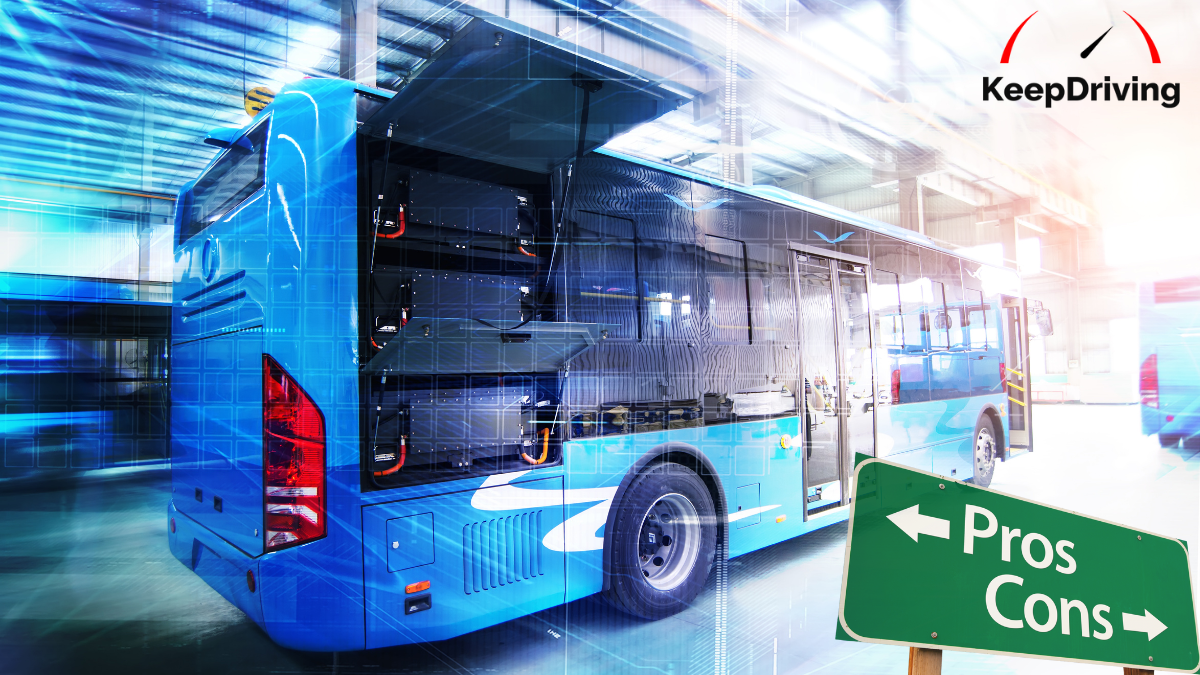
While we've acknowledged the benefits of electric buses, it's crucial to explore a balanced discussion on their pros and cons.
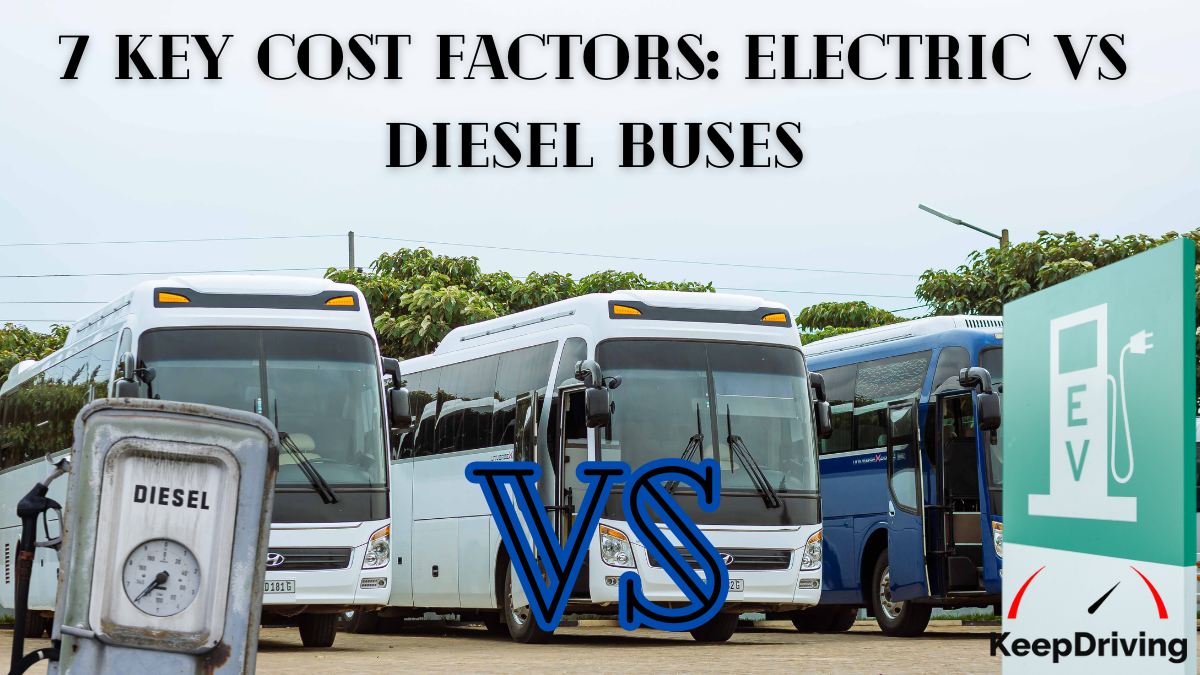
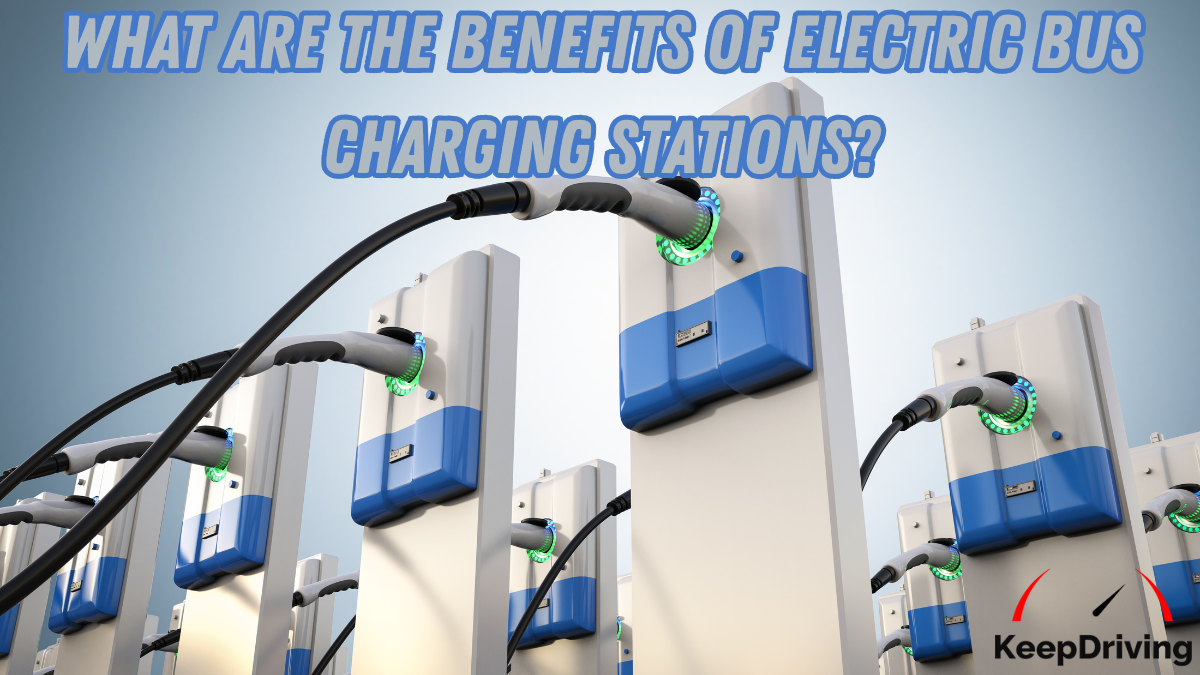
Regarding cost effectiveness, the upfront investment for electric buses is higher, but the maintenance and operational costs are lower as compared to traditional buses. However, their reliance on charging infrastructure presents operational challenges, such as the need for routine battery replacements and the limited range between charges. These are key factors to evaluate for efficient fleet management.
On the plus side, electric buses offer a quieter, smoother ride, enhancing the commuter experience.
We're not saying it's perfect, but understanding these realities allows us to work towards better solutions.
Electric Buses as a Solution to Urban Pollution Problems
Undeniably, electric buses present a viable solution to urban pollution problems. As we step into the future of urban transportation, it's critical to reduce harmful emissions.
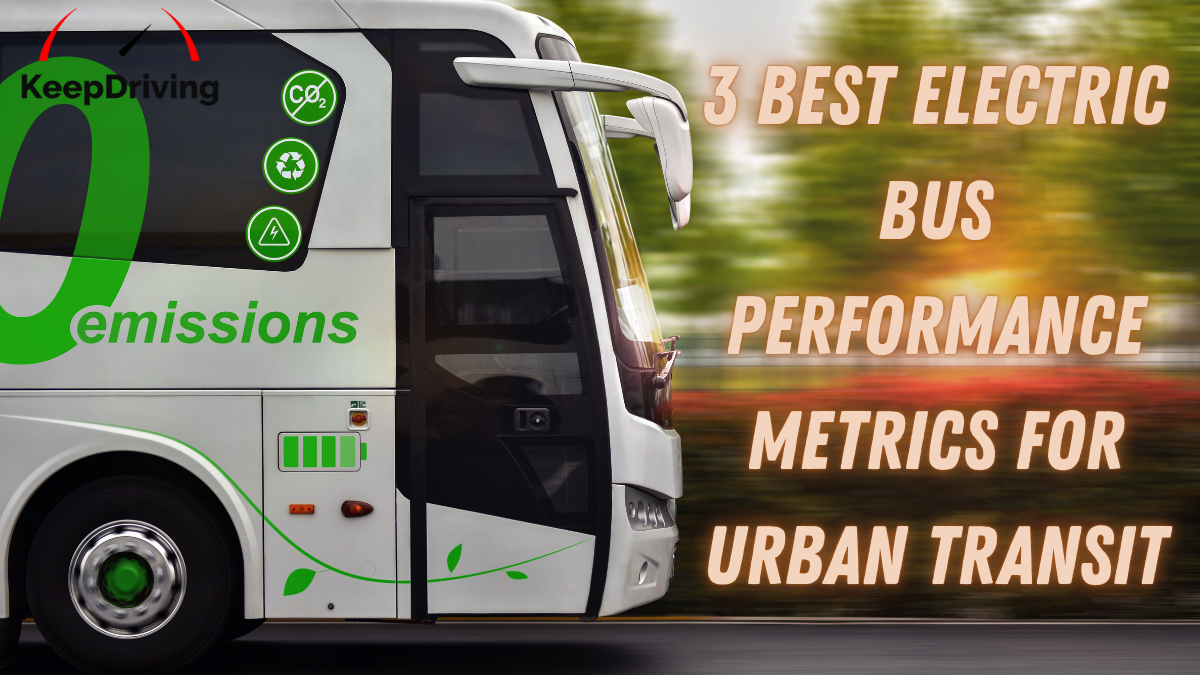
Electric buses, with zero tailpipe emissions, contribute considerably to emission reduction. They eliminate tons of CO2 annually that would be released by their diesel counterparts. This not only improves air quality but also mitigates climate change.
Simultaneously, they utilize renewable energy sources, reducing dependency on fossil fuels. Furthermore, the quiet operation of electric buses reduces noise pollution, enhancing the overall urban environment.
In our collective pursuit of a cleaner, greener future, the role of electric buses is pivotal. Their integration into urban transportation systems is a positive stride towards sustainable living.
Frequently Asked Questions
What Is the Average Lifespan of an Electric Bus?
We've found that the average lifespan of an electric bus hinges on battery longevity and maintenance costsThe costs associated with keeping a vehicle in good working condition, including repairs and regular.... Typically, they're reliable for 12-16 years, but with proper care, they can exceed this average lifespan.
How Do Electric Buses Fare in Extreme Weather Conditions?
We've found that extreme weather conditionsAdjusting driving practices to safely navigate in rain, snow, fog, and ice. can impact electric bus battery efficiency. Cold temperatures may reduce the bus's range, whereas heat can accelerate battery wear. We're constantly improving technology to combat these issues.
What Is the Cost Comparison Between Electric Buses and Traditional Fuel Buses?
We've found that electric buses offer significant cost efficiency and fuel savings compared to traditional buses. They may cost more upfront, but we'll save a lot over time on fuel and maintenance expenses.
How Does the Performance of Electric Buses Compare to Diesel Buses?
We've found that electric buses outshine diesel with respect to battery efficiency and maintenance costs. They require less upkeep and the extended battery life leads to substantial savings, making them a smart, sustainable choice.
Are There Government Incentives for Cities to Switch to Electric Buses?
Yes, we've found that government subsidies are often provided as incentives for urban planning shifts towards electric buses. It's part of efforts to reduce carbon emissions and promote sustainable city development.