Electric buses are game-changers in improving urban air quality. Unlike their traditional counterparts, they produce zero emissions, reducing particulate matter affecting our health and climate. Additionally, they're less expensive to operate, which can lead to significant economic benefits. Cities like Shenzhen, Santiago, and London have already witnessed improvements after adopting these green vehicles. Want to know more about how these eco-friendly bus fleets transform city life and what your city can learn from these global success stories? Let's dive deeper.
Key Takeaways
- Electric buses, as zero-emission vehicles, significantly reduce air pollution in urban areas.
- By eliminating diesel emissions, electric buses lower the risk of respiratory diseases, improving public health.
- The quiet operation of electric buses reduces noise pollutionUnwanted or harmful noise from vehicles, industrial activities, and urban areas that affect human he..., further enhancing urban living conditions.
- Dependence on renewable energy sources by electric buses promotes sustainable urban mobility.
- Success stories worldwide demonstrate that electric bus adoption improves air quality and fosters sustainability.
Understanding the Impact of Traditional Buses on Air Quality
While we often see them as efficient public transport, traditional buses considerably contribute to deteriorating air quality in urban areas. As part of our collective community, it's essential we comprehend and acknowledge this impact.
Primarily powered by diesel fuel, these buses emit harmful pollutants, greatly contributing to urban pollution. Diesel emissions, which include particulate matter and nitrogen oxides, are particularly concerning. They can exacerbate respiratory conditions, harm the environment, and even contribute to climate change.
Upon investigation, it's clear that our reliance on traditional buses isn't without its drawbacks. As we aim for a cleaner, healthier community, we must critically examine and address these complexities. Recognizing the issue is the first step toward finding sustainable, inclusive solutions.
Zero Emission: The Environmental Advantage of Electric Buses
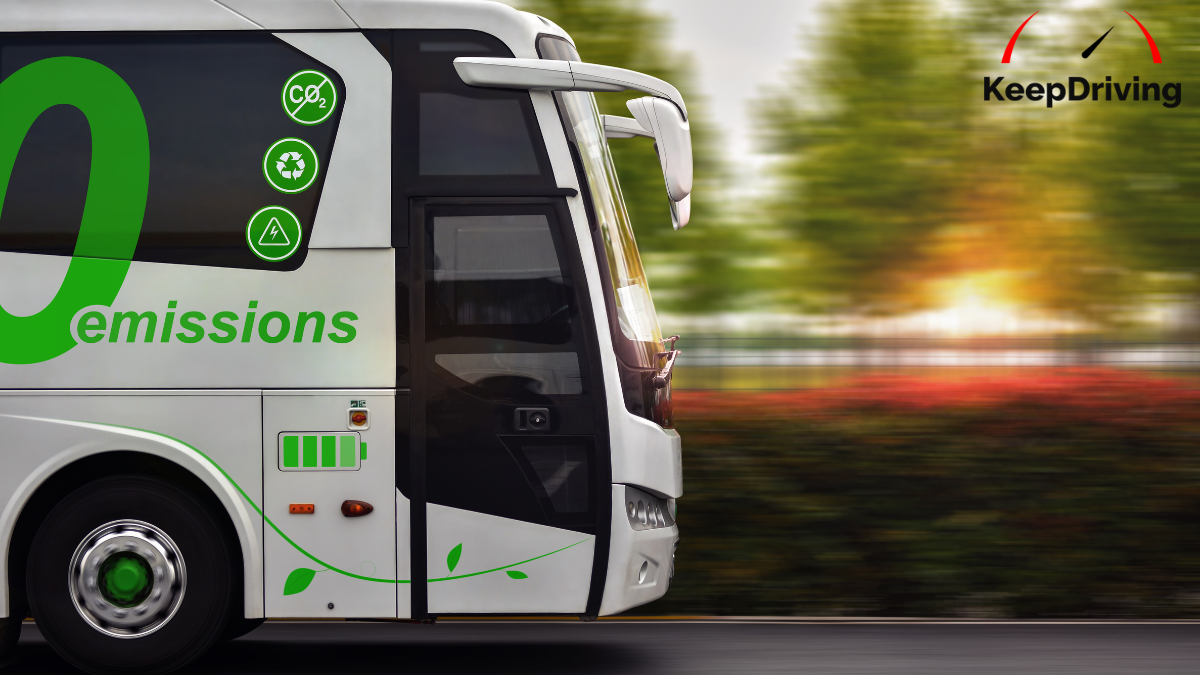
As we confront the issues linked to traditional bus pollution, it's time to explore promising alternatives. Electric buses, being zero-emission vehicles, present a significant environmental advantage. They contribute to sustainable transportation and improve urban mobility without harming our air quality.
Here's a quick comparison:
| Traditional Buses | Electric Buses |
|---|---|
| Emit harmful pollutants | Zero emissions |
| Contribute to air pollution | Improve air quality |
| Depend on fossil fuels | Use renewable energy |
| Noise pollution | Quiet operation |
Electric Buses and Their Role in Reducing Particulate Matter
Given the global struggle with air pollution, electric buses play a crucial role in reducing particulate matter.
These vehicles offer substantial particulate reduction, resulting in significant health benefits for urban dwellers.
Let's dive deeper into why this is important:
- Particulate matter, small enough to be inhaled, leads to respiratory diseases.
- Electric buses emit zero tailpipe emissions, reducing this health risk.
- The absence of combustion in electric buses eliminates the production of particulates.
- Improved air quality in cities leads to less strain on healthcare systems.
- Cleaner air fosters a sense of community well-being.
In essence, the shift to electric buses isn't just about environmental sustainability; it's about improving our communal health.
The Economic Benefits of Transitioning to Electric Buses
Beyond the health advantages, embracing electric buses also packs a powerful economic punch.
By shifting to electric buses, cities can reap significant cost savings. These buses require less maintenance and fewer parts than their diesel counterparts, leading to lower operating costs. Plus, electricity is cheaper and more stable in price than diesel fuel.
The change also fuels job creation. New jobs are created in the manufacturing, installation, and maintenance of electric buses and their infrastructure. Moreover, cities can save on healthcare costs related to pollution-related illnesses.
In short, while the upfront costs may be high, the long-term economic benefits are undeniable. We're not just cleaning our air; we're investing in our future.
Case Studies: Successful Implementations of Electric Buses Globally

While we've talked about the benefits, it's time we introduced some real-world success stories of electric buses.
These global deployments aren't just trials but full-fledged, successful operations.
- In China, Shenzhen became the first city globally to electrify its entire bus fleet, improving air quality drastically.
- Santiago, Chile, boasts the largest electric bus fleet in Latin America, demonstrating a commitment to clean energy.
- London, England, operates the biggest electric bus system in Europe, reducing its carbon footprintThe total amount of greenhouse gases emitted directly or indirectly by a vehicle, measured in carbon....
- Edmonton, Canada, implemented electric bus trials, which were a success, leading to a more extensive roll-out.
- Adelaide, Australia, introduced a fleet of electric buses, enhancing the city's sustainability efforts.
These examples show the potential for a cleaner, healthier urban future globally.
Frequently Asked Questions
What Is the Average Lifespan of an Electric Bus?
We've found that electric bus longevity varies but typically can last up to 12-16 years. This largely depends on battery lifespan, which can be affected by factors like maintenance and usage patterns.
How Do Electric Buses Get Charged and How Long Does It Take?
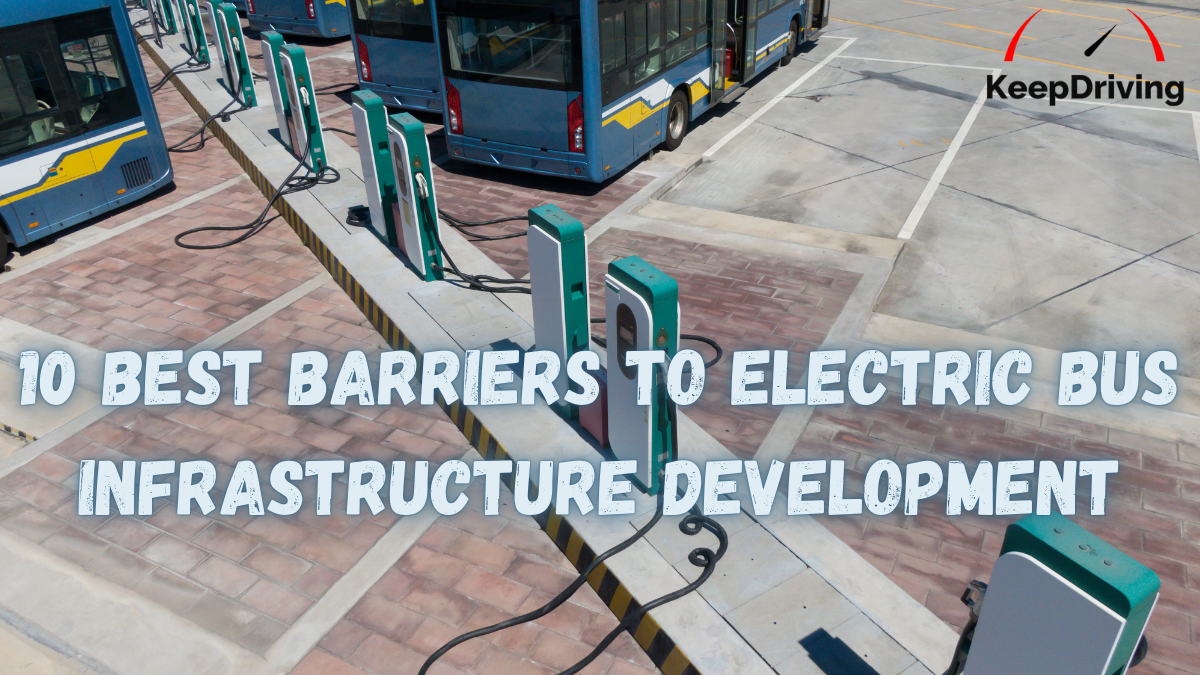
We plug electric buses into a charging infrastructure, similar to how we charge electric cars. It's typically a night-time routine and, depending on the charging speed, it takes about 3-4 hours. Quite efficient, isn't it?
What Are the Maintenance Costs Associated With Electric Buses Compared to Traditional Buses?
We've found that while initial repair costs for electric buses can be higher, operational savings over time make them more cost-effective. Traditional buses often require more frequent, costly maintenance, making electric buses a savvy long-term choice.
Are Electric Buses Quieter Than Regular Buses?
Yes, we've found that electric buses are typically quieter than regular buses. This reduction in noise pollution is another way electric buses are enhancing urban transportation, making our city journeys more peaceful and enjoyable.
What Are the Safety Measures Implemented in Electric Buses?
We've found that electric buses incorporate stringent battery safety measures and enhanced passenger security features. They're designed to guarantee your safe travel while considerably reducing urban air pollution. You're in safe, environmentally-friendly hands on these buses.