
Electric buses take huge strides toward environmental stewardship, greatly reducing greenhouse gas emissionsGases like carbon dioxide (CO2) and methane (CH4) that trap heat in the atmosphere, contributing to ... and enhancing local air quality. Not only do they minimize noise pollutionUnwanted or harmful noise from vehicles, industrial activities, and urban areas that affect human he... for a quieter city landscape, but they also lower energy consumption, promoting more sustainable urban development. By decreasing our dependence on fossil fuels, electric buses support a circular economy, pushing us toward a greener future. Stick around and you'll see exactly how these marvels of transportation engineering impact positively on our environment and community.
Key Takeaways
- Electric buses significantly reduce greenhouse gas emissions, aiding in climate change mitigation efforts.
- They improve air quality by eliminating harmful tailpipe emissions and promoting public health.
- Noise pollution is markedly reduced with electric buses, enhancing urban landscapes and community wellbeing.
- These buses are energy efficient, supporting a circular economy by reducing demand for fossil fuels.
- Lifecycle considerations of electric buses include eco-friendly manufacturing, lower maintenance needs, and recycling potential, positively impacting local economies and community awareness.
Reducing Greenhouse Gas Emissions
While it's true that every mode of transportation contributes to greenhouse gas emissions, electric buses stand out as a particularly effective tool in the fight against climate change.
We've found, through careful examination of data, that green technology like electric buses markedly reduces carbon footprints. This climate action is due to the high passenger capacity of buses and the zero-emission nature of electric powertrains.
If we replace conventional buses, we can save an estimated 1,690 tons of CO2 per year per bus!
We're part of a community that values our planet, and by embracing electric buses, we're not just reducing greenhouse gases - we're building a sustainable future together.
Enhancing Air Quality
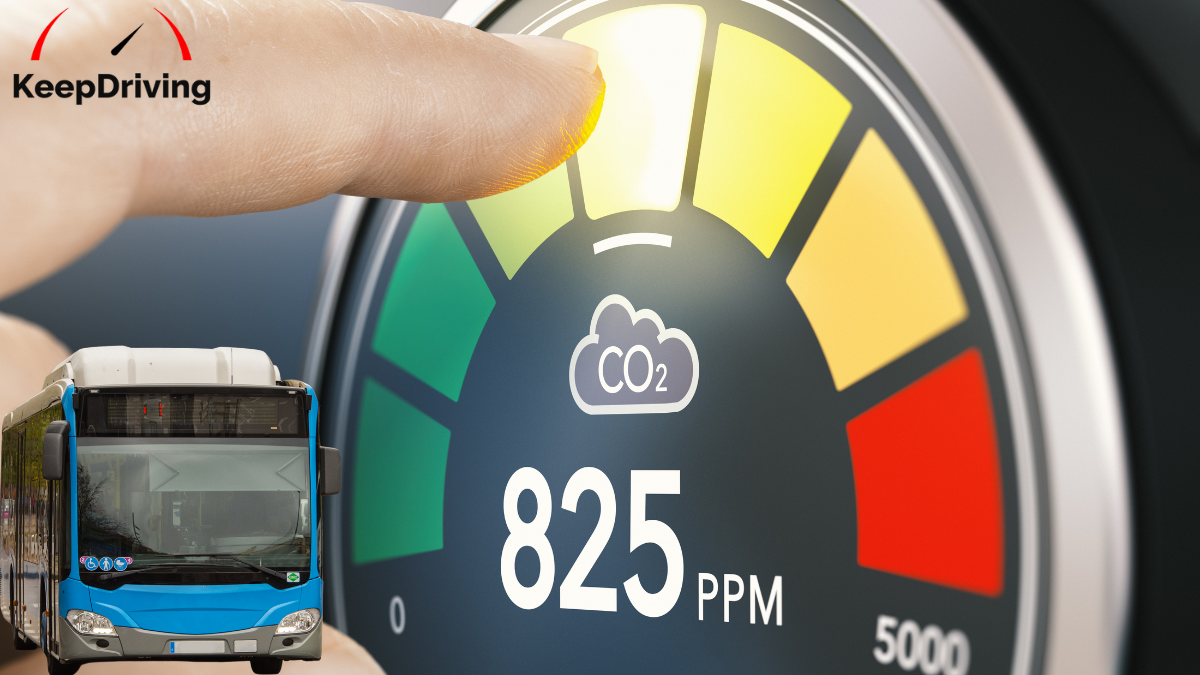
Though we often overlook it, improving air quality is another significant advantage of switching to electric buses. Traditional diesel buses emit a myriad of airborne pollutants, including nitrogen oxides and particulate matter.
These harmful substances not only degrade our environment but also pose substantial risks to public health. Research has linked exposure to these pollutants with respiratory and cardiovascular diseases.
On the contrary, electric buses emit zero tailpipe emissions, drastically reducing the release of these destructive pollutants. We're therefore not just improving the aesthetic of our cities, but also safeguarding our health.
Minimizing Noise Pollution
As we turn our focus to noise pollution, we can't overlook the role of electric buses in creating quieter urban landscapes.
The health impacts of noise are well-documented, with numerous studies linking excessive noise to stress, sleep disturbances, and even cardiovascular issues.
Quieter Urban Landscapes
Despite the hustle and bustle of city life, electric buses contribute to quieter urban landscapes, greatly minimizing noise pollution.
This urban tranquility brings about a number of significant changes:
- Increased Community Engagement: The reduction in noise pollution encourages more outdoor activities, fostering a stronger sense of community.
- Enhanced Urban Experience: Quieter environments make urban living more pleasant, attracting more residents and tourists.
- Boost in Local Economy: The improved urban landscape can lead to an increase in property values and local businesses.
- Greater Wildlife Presence: The decrease in noise can encourage more wildlife to inhabit urban areas, adding to the overall tranquility.
Let's embrace this change for a more peaceful, engaging community life.
Health Impacts of Noise
Nearly 100 million Americans are exposed to harmful levels of noise, according to the Environmental Protection Agency. This pervasive sound pollution negatively impacts our health, leading to problems like sleep disturbance, cardiovascular issues, and hearing loss.
Noise reduction, consequently, is a critical public health issue that we shouldn't ignore. Studies have shown that consistent exposure to high decibel levels can cause stress, hindering our overall well-being.
As a community, we must endeavor to understand the importance of minimizing noise pollution and its role in safeguarding our health. Together, let's advocate for solutions that not only protect the environment but also prioritize our collective health by reducing harmful noise levels in our surroundings.
Electric Buses: A Solution
Understanding the harmful impacts of noise pollution, it's clear we need effective solutions to address this widespread problem.
Here's where our collective efforts can make a difference.
- Electric bus infrastructure: A well-planned and executed infrastructure for electric buses can greatly reduce noise pollution.
- Silent Operations: Electric buses operate silently, unlike their diesel counterparts, contributing to a quieter environment.
- Charging station accessibility: Accessible charging stations encourage the use of electric buses, helping to further reduce noise pollution.
- Community Involvement: As part of our community, we must advocate for policies that support electric bus implementation.
Lowering Energy Consumption
As we shift our gaze to the topic of lowering energy consumption, it becomes evident that electric buses play a significant role. Their energy efficiency is unrivaled, often outperforming conventional buses by a wide margin.
Advanced battery technology allows them to store and utilize energy in a way that's both effective and sustainable. By reducing the demand for fossil fuels, we're not just saving energy—we're also preserving our environment.
Every kilowatt-hour saved is a step towards a greener future. We're in this together, and by embracing the benefits of electric buses, we're making a collective choice for sustainability.
It's a choice that benefits us all, and it's a choice that will shape the future of our world.
Promoting Sustainable Urban Development
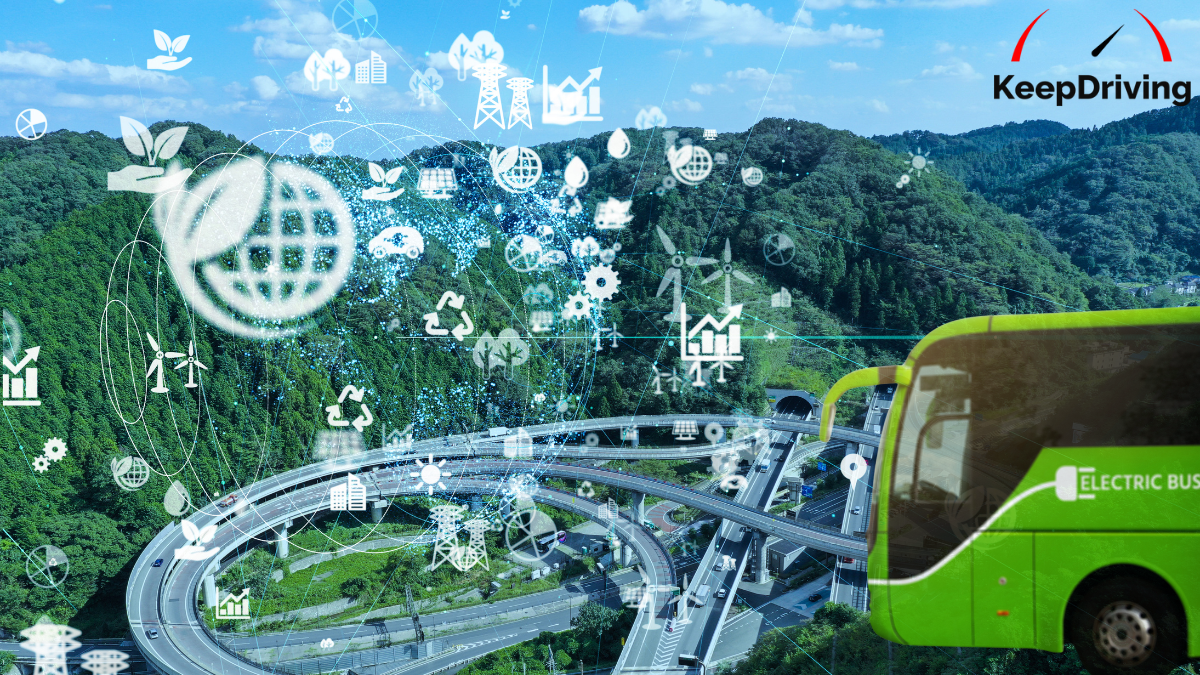
While we've been focusing on energy efficiency, it's equally important to highlight how electric buses promote sustainable urban development. Their integration into a city's transportation system serves as a pillar for sustainable infrastructure.
Here's how:
- Reducing Carbon FootprintThe total amount of greenhouse gases emitted directly or indirectly by a vehicle, measured in carbon...: Electric buses emit zero tailpipe emissions, contributing less to air pollution and promoting cleaner cities.
- Noise Pollution Reduction: They're quieter than diesel buses, leading to less noise pollution and improving urban living conditions.
- Promoting Green Energy: As part of a renewable energy strategy, electric buses use power generated from sustainable sources, furthering green initiatives.
- Influencing Urban Planning: Their adoption encourages the development of charging stations, reshaping our cities with an eye toward sustainability.
Together, we're not just adopting a new mode of transport; we're pioneering a more sustainable future.
Decreasing Dependence on Fossil Fuels
Though many mightn't realize it, the shift to electric buses greatly reduces our reliance on fossil fuels. Fossil fuels, once harnessed for their energy potential, leave us exposed to volatile prices and environmental degradation.
However, electric buses, powered by renewable energy, offer us a path towards energy independence. These buses use electricity generated from renewable sources like wind, solar, and hydropowerElectricity generated by harnessing the energy of flowing water, used as a clean energy source..
As we embrace electric buses, we're not just opting for cleaner, quieter transportation, we're also supporting the growth of renewable energy sectors. This shift doesn't just benefit us today; it's a long-term investment in our future, ensuring that we've a reliable, sustainable energy source that doesn't deplete our planet's resources.
Supporting a Circular Economy
Electric buses not only reduce our carbon footprint but also promote resource efficiencyAn economic system aimed at eliminating waste and the continual use of resources through recycling, ..., playing an essential role in supporting a circular economy.
By examining the lifecycle of electric buses, we'll uncover how they contribute to a sustainable system that minimizes waste and optimizes the use of resources.
Let's explore how this shift to electric buses can stimulate economic activities that regenerate our environment rather than deplete it.
Reducing Carbon Footprint
As we turn our attention to reducing our carbon footprint, it's clear that embracing electric buses can play a significant role in supporting a circular economy.
Here's how:
- Lower emissions: Electric buses produce zero tailpipe emissions, directly contributing to carbon neutrality initiatives.
- Energy efficiency: They're three times more energy-efficient than conventional buses, reducing the demand on power grids.
- Promoting renewables: When charged using renewable energy sources, electric buses further lessen our carbon footprint.
- Sustainable transportation: As part of broader sustainable transportation solutions, electric buses help us move away from fossil fuels.
Together, we can make a difference.
Promoting Resource Efficiency
While we're making strides in reducing our carbon footprint, it's equally important to highlight how electric buses promote resource efficiency, a crucial component of a circular economy.
Their efficient design minimizes waste and promotes better resource management. Unlike traditional buses, electric ones use fewer raw materials, consume less energy, and produce less waste, enhancing sustainability.
Research shows that electric bus technology has evolved to efficiently utilize resources, from the metals in their batteries to the electricity that powers them.
By transforming the way we manage resources, we're not just saving the planet; we're also creating an inclusive community where everyone plays a part in fostering a sustainable future.
Together, let's embrace electric buses as an essential tool for resource efficiency.
Lifecycle of Electric Buses
To fully appreciate the impact of electric buses on our environment, we need to contemplate their entire lifecycle, from manufacture to retirement.
- Manufacture: The manufacturing processes are becoming more eco-friendly. The use of recycled materials and less energy-intensive methods reduce the carbon footprint.
- Operation: With advanced battery technology, electric buses run cleaner and longer. There are no tailpipe emissions, contributing to better air quality.
- Maintenance: Electric buses require less maintenance than diesel ones, reducing waste generated from parts replacements.
- Retirement: Instead of heading to a landfill, components like batteries can be repurposed or recycled, fostering a circular economy.
Frequently Asked Questions
What Is the Average Lifespan of an Electric Bus?
We've found that the average lifespan of an electric bus's battery is about 12-15 years. This depends on maintenance schedules, though. Regular attention can extend their life, ensuring we get the most from them.
How Are Electric Buses Powered and Maintained?
We're powering electric buses through advanced battery technology and maintaining them with robust charging infrastructure. It's a community-focused effort, ensuring we're all part of the sustainable transit solution. Together, we're paving the way for a greener future.
Are Electric Buses More Expensive Than Traditional Buses?
Yes, electric buses' upfront costs are higher. However, when we factor in fuel savings, maintenance costsThe costs associated with keeping a vehicle in good working condition, including repairs and regular..., and potential funding sources, they can actually be more cost-effective in the long run. Let's explore further.
What Is the Impact of Electric Buses on Traffic Congestion?
We've found that electric buses can improve traffic flow and boost commuter satisfaction. They're quieter, smoother, and more efficient. Plus, their predictable routes and speeds can actually reduce overall traffic congestionHeavy traffic conditions that increase the likelihood of rear-end collisions and stress.. It's a win-win!
How Do Electric Buses Fare in Various Weather Conditions?
We've found electric buses perform admirably in various climates. Cold weather performance is solid, while heat impact's manageable. Through all seasons, they're reliable, making us feel we belong in a dependable, sustainable transport future.