
In integrating electric buses, it's vital we grasp the technology, from understanding battery lifespan to timely maintenance. We must focus on strategically developing charging infrastructure and streamlining route planning in alignmentAdjusting the angles of the wheels to ensure they are set to the vehicle manufacturer’s specificatio... with charging spots. It's important to navigate funding options and policy considerations skillfully while actively engaging the public and promoting adoption. Stick with us as we further expound on how these combined efforts smooth the shift to this environmentally friendly transit option.
Key Takeaways
- Understand electric bus fundamentals, including battery lifespan, maintenance needs, and unique operational features.
- Develop a robust charging infrastructure, considering grid capacity, station location, and real-time data access.
- Optimize route planning using data analysis, aligning routes with charging station locations, and balancing route length with charging needs.
- Navigate funding and policy considerations, securing grants, understanding regulations, and advocating for supportive policies.
- Engage the public, promoting the benefits of electric buses, soliciting feedback, and celebrating project milestones to foster support.
Understanding the Basics of Electric Buses
Diving headfirst into the world of electric buses, it's essential we first grasp the fundamentals.
Battery technology forms the heart of these vehicles - it's the engine that keeps them moving. We need to understand how these batteries function, their lifespans, and how to likely replace them.
Vehicle maintenanceRoutine maintenance to ensure vehicle safety, including oil changes, brake checks, and light replace... is another vital aspect. We can't just keep driving an electric bus without taking care of it.
Regular check-ups, timely repairs, and understanding the peculiarities of electric buses are pivotal.
Developing a Comprehensive Charging Infrastructure
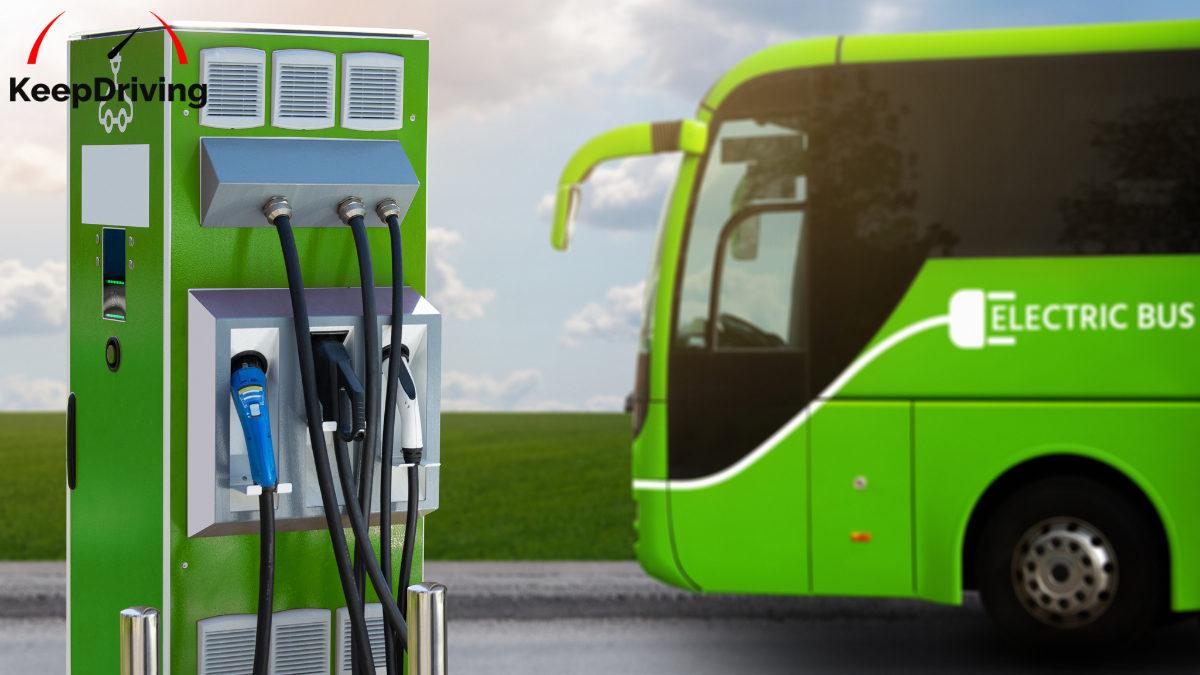
Building on our understanding of electric buses and their maintenance, let's now turn our focus towards the backbone of this technology - an extensive charging infrastructure.
As we work towards a greener future, it's essential to strategically plan charging station locations and incorporate maintenance scheduling into this infrastructure.
To create a vivid picture, let's consider the following:
- Strategically placed charging stations: We need to map out locations that not only cater to the bus routes but also consider grid capacity.
- Scheduled maintenance: Regularly servicing these stations guarantees reliability and longevity.
- A networked approach: Using technology to connect all stations provides real-time data, helping streamline operations.
Together, we can create a sustainable, efficient electric bus network that truly belongs to us all.
Streamlining Electric Bus Route Planning
While the charging infrastructure forms the backbone of electric bus integration, without strategic route planning, the entire system would lack efficiency. We can't overstate the importance of route optimizationTechnology that calculates the most efficient route for each ride based on real-time traffic data. and data analytics. Balancing route length with charging station locations guarantees buses maintain service while recharging.
Here's a basic framework for effective planning:
| Key Factor | Description |
|---|---|
| Data Collection | Gather data on current routes, passenger demand, and traffic patterns. |
| Route Optimization | Analyze data to identify the most efficient routes. |
| Infrastructure Alignment | Match routes with charging station placements. |
| Continuous Improvement | Regularly update plans based on new data and feedback. |
Even with the most effective route planning, the reality of electric bus integration isn't complete without maneuvering funding and policy considerations.
As we steer through this landscape, we'll encounter a mix of challenges and opportunities. Our approach must be strategic, detail-oriented, and mindful of regulatory frameworks.
- Identifying and securing grant opportunities is essential. These can greatly offset costs and make electric bus projects more viable.
- Understanding and maneuvering regulatory frameworks is key. These policies can influence everything from bus specifications to operating practices.
- Advocacy for supportive policies is imperative. By engaging with lawmakers, we can help shape policies that favor electric bus adoption.
In this endeavor, we're not alone.
We're part of a wider community working towards sustainable transportation. Together, let's navigate these funding and policy waters.
Engaging the Public and Promoting Electric Bus Adoption

As we pivot towards the task of engaging the public and promoting electric bus adoption, it's critical to understand the importance of transparency and education.
We must map out strategies for effective public outreach, where we not only share the benefits of electric buses but also solicit feedback for improvement.
Through community engagement, we can build a sense of belonging, making everyone a stakeholder in this green initiative.
Regularly updating the public about our progress, addressing their concerns, and celebrating milestones together will foster trust.
Let's remember that it's not just about deploying electric buses; it's about fostering a community that supports and contributes to the success of this sustainable transit option.
Frequently Asked Questions
What Maintenance Requirements Do Electric Buses Have Compared to Traditional Buses?
We've found electric buses require less overall maintenance than traditional ones. However, they do need regular battery maintenance and a well-planned charging infrastructure to guarantee peak performance and longevity. It's a different but manageable routine.
How Does the Performance of Electric Buses Compare in Different Weather Conditions?
We've noticed that electric buses perform differently in various weather conditionsAdjusting driving practices to safely navigate in rain, snow, fog, and ice.. Cold temperatures can impact battery efficiency, while hot weather might stress the cooling systems. It's essential to take into account these factors for effective operation.
Can the Existing Public Transportation Infrastructure Support the Weight of Electric Buses?
We've found that thorough infrastructure assessment is vital. Most existing infrastructure can support electric buses' weight distribution, but it's imperative to verify this on a case-by-case basis to guarantee safety and efficiency.
What Is the Lifespan of an Electric Bus Battery and the Replacement Cost?
We've found that an electric bus battery's lifespan is typically around 8-10 years. When it's time for replacement, you're looking at a cost that can range from $100,000 to $300,000, depending on the model.
How Are Drivers Trained to Operate Electric Buses?
We train drivers on operational challenges like battery life and charging. They're taught technical proficiency in handling the bus's features, fostering a sense of belonging with the technology and strategic thinking for efficient routes.