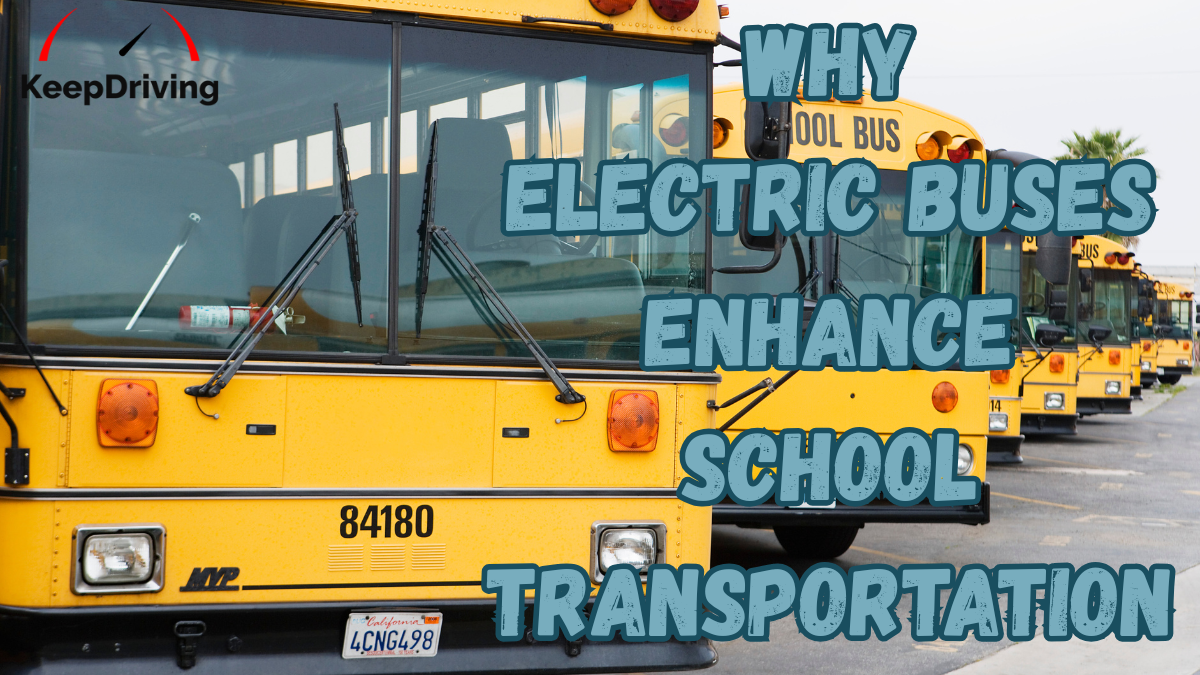

The latest innovations in electric buses include advanced battery technology with longer power life, swift charging capabilities, and ongoing progress toward autonomous navigation. These advancements make electric buses more reliable, efficient, and environmentally friendly than traditional buses. If you're curious about how these innovations contribute to a greener and cleaner planet, we invite you to explore further, understanding the intersection of sustainability and efficiency in the evolving landscape of urban mobility.
Key Takeaways
- Advances in battery technology have led to longer-lasting power sources, improving the efficiency of electric buses.
- Fast charging technology has significantly cut down the charging time, increasing the convenience and operational hours of electric buses.
- Autonomous navigation, powered by AI and machine learningThe use of algorithms that enable vehicles to learn and improve from data over time, enhancing perfo..., is being integrated into electric buses for efficient urban navigation.
- Electric buses produce zero tailpipe emissions and are more energy efficient than diesel buses, contributing to a significant reduction in carbon footprintThe total amount of greenhouse gases emitted directly or indirectly by a vehicle, measured in carbon....
- The focus on sustainability and efficiency has driven continuous innovation in electric buses, contributing to a greener planet.
Exploring Advances in Battery and Charging Technology
While many may think the electric bus industry hasn't changed much, technological advancements in battery and charging technology have pushed the envelope, making electric buses more efficient and reliable than ever before.
Innovations in battery chemistry have led to longer-lasting power sources, reducing the need for frequent charging. Fast charging technology, on the other hand, has greatly cut down charging times, allowing for quicker turnarounds and more operational hours.
We've seen batteries evolve from conventional lithium-ion to solid-state and even lithium-sulfur compositions, each leap bringing us closer to a more sustainable future.
Understanding the Evolution Of Autonomous Electric Buses
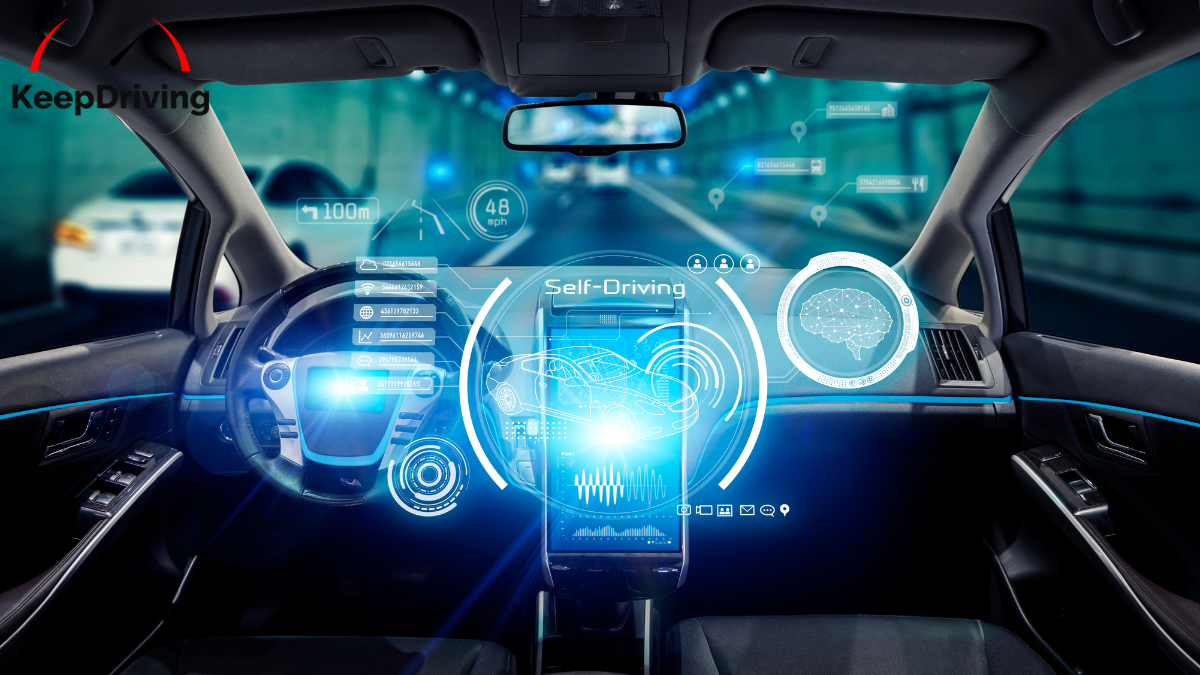
As we step into the domain of autonomous electric buses, it's clear that this evolution isn't just about replacing traditional fuel sources with electricity.
The shift towards autonomous navigation is a significant part of this transformation. Advances in AI and machine learning technologies are enabling these buses to navigate complex urban environments with reduced human intervention.
They're equipped with robust safety features, including advanced sensor systems, collision avoidance capabilities, and emergency braking. These developments are revolutionizing public transportation, making it safer and more efficient.
And yet, we're only scratching the surface of what's possible in this exciting field.
We're all on this journey together, part of a collective effort to redefine mobility for a sustainable future.
The Intersection of Sustainability and Efficiency: Environmental Impacts of Electric Buses
Building on the advancements in autonomous electric buses, it's equally important to contemplate their environmental implications.
We're seeing a promising shift towards sustainability, with electric buses considerably reducing our carbon footprint. They're not just the future of urban mobility; they're the key to a cleaner, greener planet.
These buses produce zero tailpipe emissions, drastically cutting down on air pollution. Furthermore, they're energy-efficient, converting about 60% of the electrical energy from the grid to power at the wheels.
In contrast, conventional diesel buses convert only about 20%. This efficiency reduces the demand for electricity, further decreasing overall emissions.
As we continue to innovate, we can't overlook the intersection of sustainability and efficiency. It's here where the real environmental revolution begins.
Frequently Asked Questions
What Is the Average Lifespan of an Electric Bus?
We've found that with advanced battery technology, electric buses can last 12-16 years. They're cost-effective, too, as maintenance costsThe costs associated with keeping a vehicle in good working condition, including repairs and regular... are considerably lower compared to traditional buses. It's a worthy investment for sustainable transportation.
How Do Electric Buses Compare to Diesel Buses in Terms of Cost?
We've found electric buses have higher initial investment costs but lower maintenance costs than diesel buses. Consequently, over time, we're seeing that they can be a more cost-effective and sustainable transport solution for our community.
Are There Any Safety Concerns Associated With Electric Buses?
We've thoroughly examined safety issues of electric buses. Battery management and charging infrastructure are key. We've found no major concerns. They're as safe as diesel buses, making us all part of a cleaner, safer future.
How Is the Performance of Electric Buses in Extreme Weather Conditions?
We've found electric buses perform admirably in extreme weather, thanks to enhanced battery efficiency and thermal management systemsSystems that manage the temperature of vehicle components, improving efficiency and lifespan, especi.... They're consistently reliable, ensuring you're part of a community that values both eco-friendliness and cutting-edge technology.
What Is the Passenger Capacity of an Average Electric Bus?
We're seeing that the average electric bus design accommodates about 70 passengers. This capacity is a game-changer for urban transportation, providing efficient, environmentally friendly options for our ever-growing, tightly-knit community.