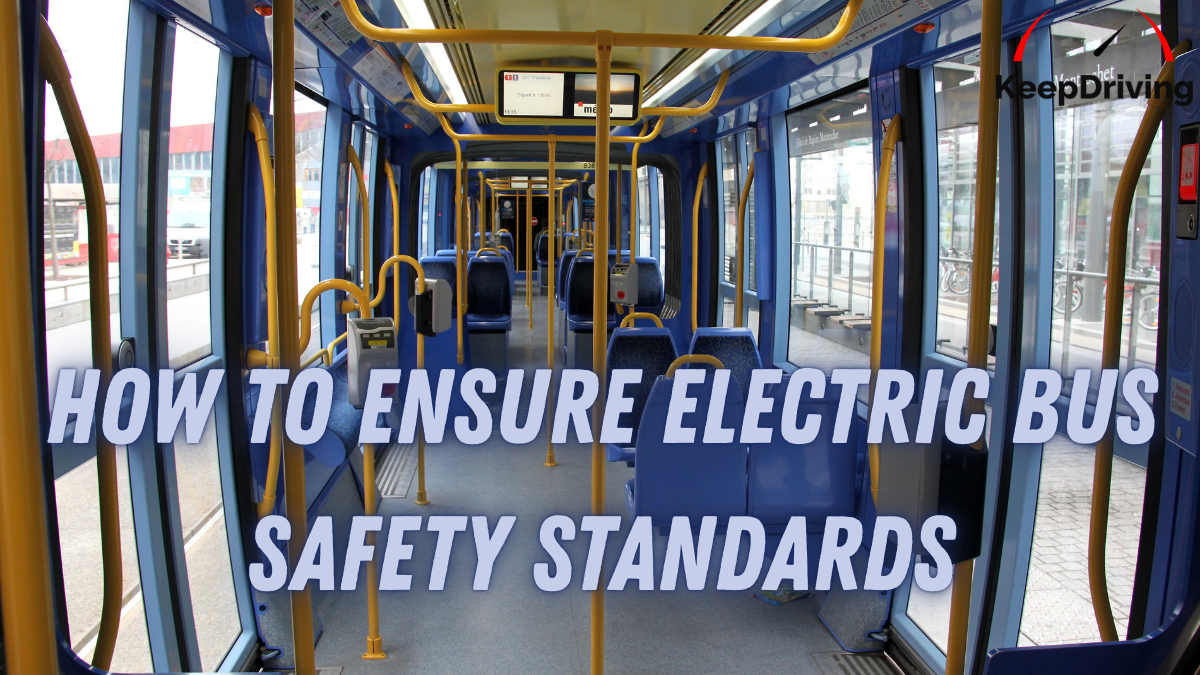
To guarantee electric bus safety standards, we prioritize regular maintenance checks for ideal precautions. We incorporate the latest safety technologies, such as Advanced Battery Management and Collision Avoidance Systems. A key component of our strategy is extensive driver training, especially in managing efficient energy usage and emergencies. We also believe in the critical role of the community, both in contributing to overall safety and in refining our safety protocolsAdhering to all safety protocols such as mask-wearing and hand sanitizing, especially during health .... If you wish to explore further, we investigate the future innovations shaping electric bus safety standards.
Key Takeaways
- Conduct regular maintenance checks, including battery inspections and adherence to charging protocols, to ensure optimal performance.
- Incorporate the latest safety technologies, such as Advanced Battery Management Systems and Collision Avoidance Systems, for improved safety.
- Provide comprehensive driver training focusing on energy usage, battery management, and emergency procedures to enhance bus safety.
- Encourage community involvement in prioritizing maintenance checks, providing feedback, and fostering a culture of safety responsibility.
- Stay updated with future innovations in electric bus safety, including advancements in battery management and collision avoidance systems.
Regular Maintenance Checks: A Key Measure for Electric Bus Safety
While we mightn't often consider it, regular maintenance checks are a pivotal aspect of electric bus safety. As part of our community, we all have a part to play in guaranteeing these checks are prioritized and conducted with utmost precision.
Battery inspections, for instance, are a fundamental part of these maintenance routines. These checks involve a detailed examination of the bus's power source to secure peak performance and detect any potential issues early on.
Equally critical are the charging protocols, which guide the process of re-energizing the bus's batteries. Adhering to these protocols helps not only to safeguard the bus's operational efficiency, but also to prolong the lifespan of its battery system.
Leveraging the Latest Safety Technologies in Electric Buses

Just as regular maintenance checks play a pivotal role in electric bus safety, so too does the integration of the latest safety technologies.
We believe that the advancements in safety tech can drastically improve the overall safety of our electric buses.
Let's explore four key technologies:
- Advanced Battery Management Systems (BMS): These systems continuously monitor and manage the state of the battery, ensuring peak performance and safety.
- Collision Avoidance Systems: These systems use sensors and algorithms to predict and prevent potential collisions, enhancing passenger safetyA system that reminds drivers to check the rear seats for passengers, helping to prevent children or....
- Emergency Braking Systems: These systems can autonomously apply brakes when a potential collision is detected.
- Fire Suppression Systems: These systems can detect and suppress fires, particularly in the battery compartment.
These technologies, we're sure, will elevate the safety standards of electric buses.
The Role of Comprehensive Driver Training in Ensuring Electric Bus Safety
Although the advanced technology in our electric buses plays an essential role in ensuring safety, we can't overlook the importance of thorough driver training. Extensive training programs are designed to boost driver awareness, ensuring they understand the unique operational characteristics of electric buses.
These programs focus on efficient energy usage, battery management, and braking systems. This heightened awareness allows drivers to respond proactively and effectively to various driving conditions.
Additionally, training should emphasize the importance of emergency procedures. From handling unexpected breakdowns to managing passenger evacuation in emergencies, drivers should be well-versed in all possible scenarios.
Frequently Asked Questions
What Is the Average Lifespan of an Electric Bus Battery?
We've found that the average lifespan of an electric bus battery is around 8 to 15 years. It's vital we incorporate regular maintenance practices to guarantee they're functioning at their best throughout their service life.
Do Electric Buses Pose Any Fire Risks?
Yes, electric buses can pose fire risks. We're ensuring safety through stringent fire prevention measures and strict safety regulations. We're all in this together, making our journeys safer and our shared environment cleaner.
What Is the Environmental Impact of Electric Buses Compared to Traditional Buses?
We've found that electric buses drastically reduce our carbon footprintThe total amount of greenhouse gases emitted directly or indirectly by a vehicle, measured in carbon... compared to traditional buses. They rely on renewable energy sources, making them a cleaner, more sustainable choice for our community's transportation needs.
Are Electric Buses Quieter Than Diesel Buses?
Yes, we've found that electric buses are considerably quieter than their diesel counterparts. This shift in urban transportation dynamics, with reduced electric vehicle noise, creates a more peaceful environment for us all to enjoy.
What Is the Cost Comparison Between Electric Buses and Conventional Buses?
We've analyzed the costs and it's clear. While electric buses have higher upfront costs, long-term budget considerations show they're cheaper to maintain and run. So, they're not just environmentally friendly, they're budget-friendly too.