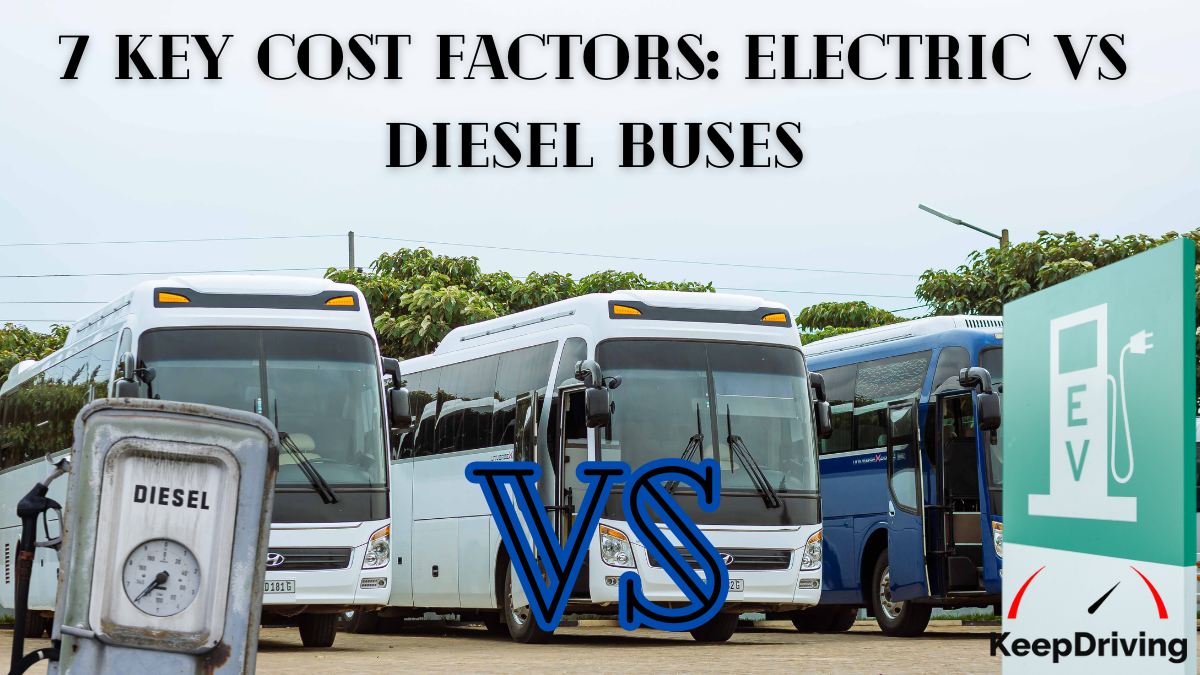
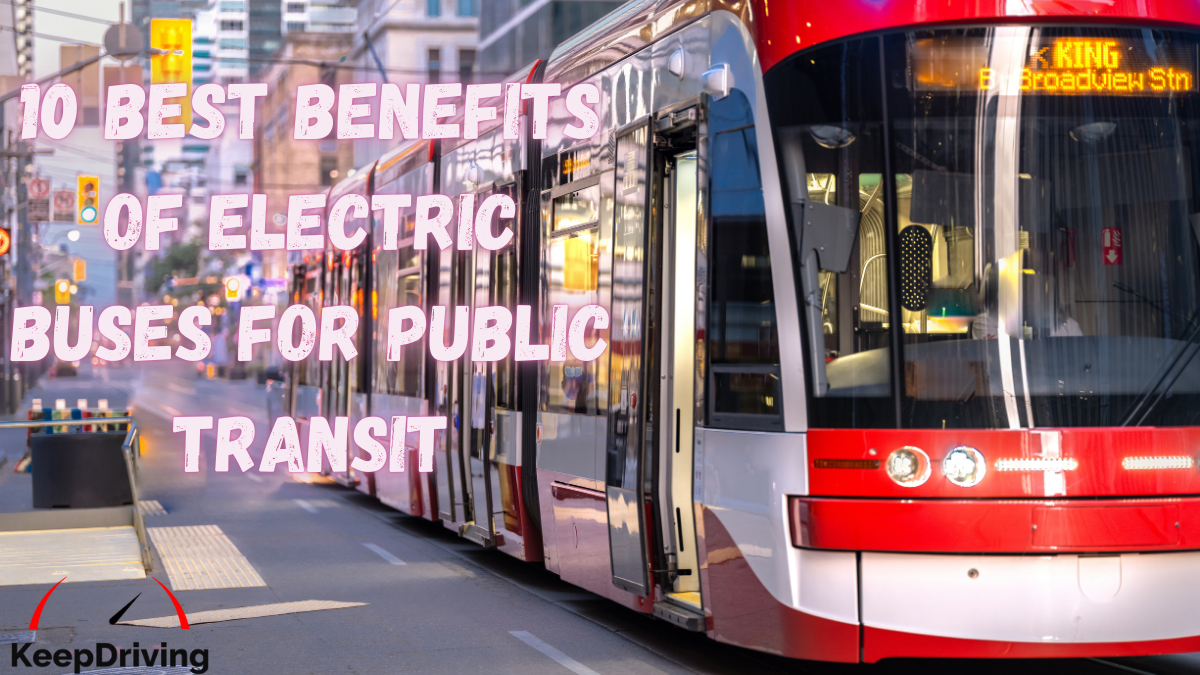
Electric buses are the future of public transit, offering myriad benefits. They greatly reduce our carbon footprintThe total amount of greenhouse gases emitted directly or indirectly by a vehicle, measured in carbon..., contribute to quieter cities, and offer an improved rider experience. Economically, they lower operation costs and are more energy efficient. Technological advances lead to better traffic management, and they play a vital role in fostering sustainable urban development. So, as we embrace electric buses, we're not just getting from point A to B, we're taking an essential ride towards a sustainable and greener future. Intriguing, isn't it?
Key Takeaways
- Electric buses significantly reduce carbon footprint and enhance city air quality, contributing to a greener future.
- They operate silently, improving the public transit experience by reducing noise pollutionUnwanted or harmful noise from vehicles, industrial activities, and urban areas that affect human he... and providing a smoother ride.
- Economically, electric buses offer lower operating costs and maintenance expenses, representing long-term sustainability and cost savings.
- Technological integration in electric buses optimizes routes, reduces waiting times, and improves traffic management.
- Electric buses promote community engagement and sustainable urban development, reducing traffic congestionHeavy traffic conditions that increase the likelihood of rear-end collisions and stress. and improving city livability.
The Eco-Friendly Element: Lowering Carbon Emissions
While many are quick to point out the immediate benefits of electric buses, such as less noise and smoother rides, it's the environmental impact that truly sets them apart.
By switching to electric buses, we're greatly reducing our carbon footprint. It's a powerful step towards sustainable transportation, a goal we all share. Each bus running on electricity, instead of diesel or gasoline, spares our atmosphere from tons of harmful emissions annually.
This is a tangible, immediate contribution to the fight against climate change. As citizens of the world, we all have a stake in this. Through supporting electric buses, we're part of the solution, actively contributing to a greener, cleaner future.
The environmental benefits of electric buses aren't just good policy—they're a path to a sustainable world we can all belong to.
The Quiet Revolution: Noise Reduction

As we shift towards a more sustainable future, there's another essential benefit of electric buses that often goes unnoticed – noise reduction. This quiet revolution is making strides in combating sound pollution, a plague of modern urban life.
The roaring engines, squealing brakes, and thundering exhausts of traditional buses contribute considerably to urban chaos. Electric buses, however, are transforming this narrative. Their silent operation introduces a sense of urban tranquility, a welcome contrast to the incessant clatter.
The diminished noise levels not only enhance the public transit experience for riders but also for pedestrians and city-dwellers at large. This reduction in ambient noise is a substantial step towards creating healthier, more livable cities.
Fundamentally, electric buses are paving the way for a quieter, more peaceful urban future.
Energy Efficiency: Optimizing Power Consumption
Shifting from the peace and tranquility brought about by the noise reduction, there's another compelling advantage of electric buses worth considering: their exceptional energy efficiency.
Unlike conventional buses, electric ones use smart charging systems that optimize power consumption, resulting in significant energy savings.
But that's not all. They also have energy recovery systems that harness kinetic energy during braking, converting it into electrical energy that's fed back into the battery.
This dual approach of smart charging and energy recovery makes electric buses a model of energy efficiency.
Imagine a bus fleet that consumes less power and reduces our dependency on fossil fuels.
That's the promise of electric buses, and it's an idea we can all get on board with.
Lower Operating Costs: The Economic Advantage
Beyond the energy efficiency of electric buses, we also see a significant financial advantage in their lower operating costs. By shifting to electric buses, we're able to realize substantial cost savings which foster budget efficiency.
Consider the following comparison:
| Expense Category | Traditional Bus | Electric Bus |
|---|---|---|
| Fuel | High | Low |
| Maintenance | High | Low |
| Lifespan | Shorter | Longer |
| Noise Pollution | High | Low |
Electric buses require less fuel, experience fewer breakdowns, have longer lifespans, and contribute less to noise pollution. This results in fewer expenses, less downtime, and more savings. Fundamentally, we're not just improving our commute but also taking care of our financial health. That's the economic advantage we offer.
Promoting Healthier Cities: Improving Air Quality
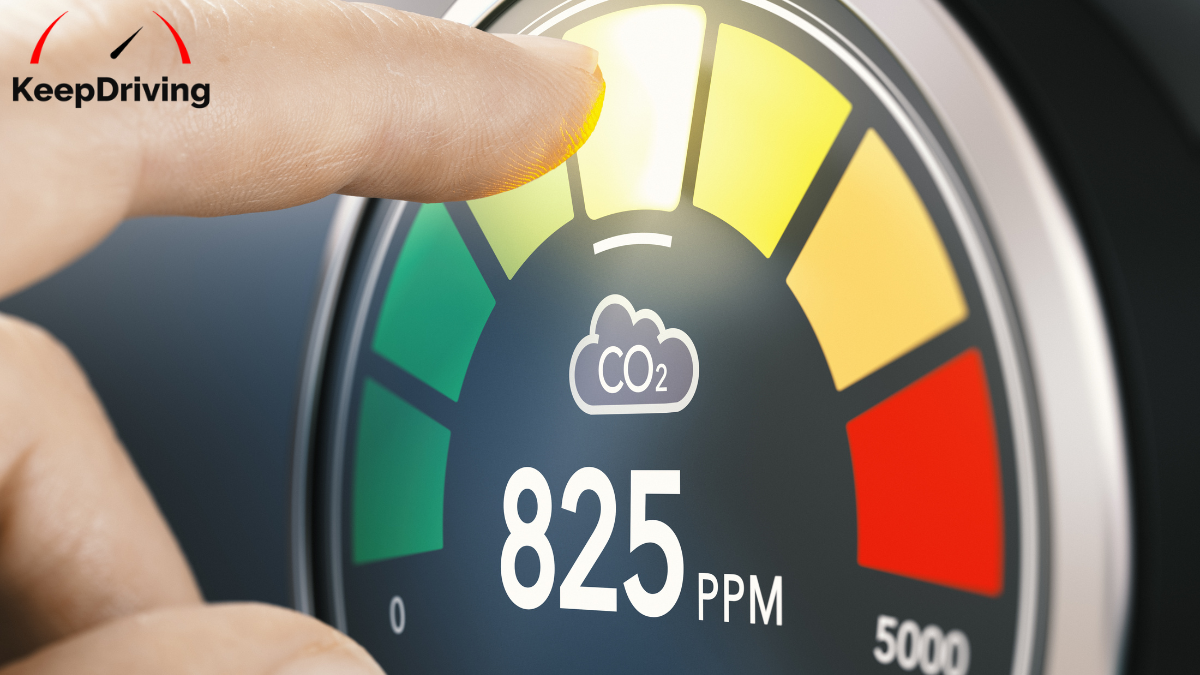
While we're reaping the economic benefits of electric buses, it's vital to highlight their role in promoting healthier cities.
By reducing harmful emissions, electric buses contribute meaningfully to improving air quality, a key aspect of public health. They offer an effective solution to the pollution problem that plagues many urban areas, aiding the creation of a cleaner, healthier urban design.
This not only makes our cities more livable but also reduces healthcare costs associated with air pollution-related illnesses. By choosing electric buses, we're not just making a financially smart decision, and we're also making a commitment to the health of our communities.
Let's continue to embrace this technology for a healthier, cleaner future.
The Technological Edge: Smart Buses and IoT
In the era of rapid technological advancement, electric buses are not just about cleaner energy; they're also about smart connectivity. Through IoT integration, these buses offer a range of smart technology benefits unseen in traditional public transit.
| Benefit | Description | Relevance |
|---|---|---|
| Efficiency | IoT-enabled systems can optimize routes and reduce waiting times. | Enhances user experience. |
| Safety | Advanced sensors and AI can predict and prevent accidents. | Protects passengers and pedestrians. |
| Maintenance | Predictive analysis can identify potential issues before they escalate. | Supports environmental targets and boosts accountability. |
| Sustainability | Real-time trackingA feature that shows the passenger the current location of their ride on a map. can monitor energy usage and emissions. | Supports environmental targets, boosts accountability. |
Reducing Dependency on Fossil Fuels
As we endeavor to lessen our reliance on fossil fuels, electric buses surface as a promising alternative. By changing to this renewable energy source, we're not just reducing harmful emissions, we're fostering a more sustainable infrastructure.
Electric buses are powered by electricity, which can be generated from multiple renewable sources such as wind, solar, and hydroelectric. This shift from fossil fuels helps us to create a cleaner, healthier environment for everyone.
Furthermore, the energy efficiency of electric buses far surpasses that of conventional buses, making them a more economical choice in the long run.
Boosting Local Job Opportunities: The Electric Bus Industry

Switching to electric buses doesn't just benefit the environment, it also has the potential to stimulate the local economy.
Here's how:
- Job creation: The electric bus industry needs skilled workers for manufacturing, operations, and maintenance. This creates new jobs within our community.
- Workforce development: Training programs can equip our local workforce with the specialized skills required. It's an opportunity for growth and development.
- Local investment: Money spent on electric buses stays within the community, supporting other local businesses indirectly.
- Long-term sustainability: Unlike fossil fuel jobs, these roles are sustainable, promising a stable future for workers.
Making Public Transit More Attractive
As we turn our attention to making public transit more attractive, we'll focus on two key components: enhancing the commuter experience and the appeal of eco-friendly travel.
The switch to electric buses can dramatically improve the quality of each journey for passengers, from noise reduction to smoother rides.
But we can't overlook the draw of green transportation - the reduced carbon footprint is a significant selling point for many urban dwellers.
Enhancing Commuter Experience
While many may overlook the importance of commuter comfort in public transit, electric buses have the potential to greatly enhance the passenger experience.
- User-friendly interfaces: Modern electric buses come equipped with intuitive control panels and information screens, making navigation easier for all passengers.
- Increased accessibility: With features like low floor entry and spacious interiors, these buses help guarantee everyone can ride comfortably, regardless of mobility limitations.
- Reduced noise pollution: Electric buses operate quietly, providing a peaceful environment and reducing stress during commutes.
- Smooth ride: The advanced technology in electric buses provides a smoother, more enjoyable ride compared to traditional buses.
Eco-Friendly Travel Appeal
If we want to make public transit more attractive, we can't ignore the eco-friendly appeal of electric buses. Embracing this innovation aligns with sustainable tourism goals, reducing carbon footprints and fostering a cleaner, healthier environment for us all.
It's not just about the journey, but the impact of our travel choices. By choosing electric buses, we contribute to a sustainable future and engage in a shared commitment to our planet.
This community engagement can strengthen our sense of belonging and shared responsibility. Electric buses aren't just a mode of transport; they're a statement of our collective environmental consciousness.
In this light, the allure of public transit becomes more than convenience; it's a step towards a greener, more inclusive world.
Addressing Traffic Congestion: The Space-Efficient Solution
Given the rising urban population, traffic congestion is becoming an increasingly notable problem.
That's where electric buses come into play, offering a space-efficient solution.
Here's why:
- Higher Capacity: Electric buses can transport more passengers at once, reducing the number of vehicles on the road.
- Better Traffic Management: Electric buses follow set routes and schedules, contributing to predictability in traffic flow.
- Efficient Urban Planning: Integration of electric buses allows for more streamlined road layouts and better urban planning.
- Reduced Traffic Jams: With fewer cars on the road thanks to public transit, traffic congestion can be considerably diminished.
We're all in this together, and adopting electric buses is one way we can make our cities more livable.
Frequently Asked Questions
How Long Does It Typically Take to Charge an Electric Bus?
We've found that typical charging times for electric buses can vary greatly, but it's usually between 2-4 hours. This depends on the charging infrastructure used and the specific bus model itself.
What Is the Average Lifespan of an Electric Bus Compared to a Traditional Bus?
We've found that electric buses, due to their battery efficiency, outlast traditional ones. On average, they have a lifespan that's 25% longer, giving us more bang for our buck and reinforcing our shared commitment to sustainability.
Are Electric Buses Able to Operate in Extreme Weather Conditions?
We've found electric buses can indeed operate in extreme weather conditionsAdjusting driving practices to safely navigate in rain, snow, fog, and ice.. Their battery performance and weather resilience is impressive. We're part of a community that values sustainable and reliable public transportation, aren't we?
What Are the Safety Features of Electric Buses?
We're confident in the safety features of electric buses. Advanced battery technology prevents overheating, and crash safety is enhanced by their low center of gravity. We're all safer when we choose electric public transit.
How Does the Maintenance Cost of Electric Buses Compare to Conventional Buses?
We've found that electric buses, with their high battery efficiency, require less frequent repairs than conventional buses. This leads to lower maintenance costsThe costs associated with keeping a vehicle in good working condition, including repairs and regular..., making them a cost-effective option for our public transit system.