
Investing in state funding for electric buses is a game-changing move. Traditional buses, mostly diesel-powered, contribute significant CO2 emissions, while electric buses promise cleaner air, less noise, and long-term cost savings from lower fuel and maintenance expenses. Additionally, investing in these buses can spur job growth in the green energy sectors. Understanding the policies and diverse funding strategies can pave the way for adopting more sustainable modes of transport and fostering economic growth. Ready to uncover more?
Key Takeaways
- State funding for electric buses supports environmental protection by reducing greenhouse gas emissionsGases like carbon dioxide (CO2) and methane (CH4) that trap heat in the atmosphere, contributing to ....
- Investment can stimulate economic growth through job creation in renewable energy and transportation sectors.
- State funding can make electric buses more affordable, benefiting public transport and community wellbeing.
- It encourages a shift towards sustainable transport, aligning with global environmental goals.
- Funding can incentivize manufacturers through tax benefits, fostering increased production and adoption of electric buses.
The Environmental Impact of Traditional Buses
While most of us appreciate the convenience of public transportation, it's vital to acknowledge the environmental impact of traditional buses.
These vehicles, primarily powered by diesel and other fossil fuels, are significant contributors to air pollution. With each bus producing about 1,135 pounds of CO2 per day, the cumulative effect on our environment is substantial.
Furthermore, the extraction and refining of fossil fuels also contribute to environmental degradation.
So, as we journey together on these buses, we're also playing a part in the harming of our shared home. It's a sobering fact, isn't it?
We're all in this together, and it's time for us to seek cleaner, greener alternatives for our public transportation needs.
The Economic and Sustainability Benefits of Electric Buses
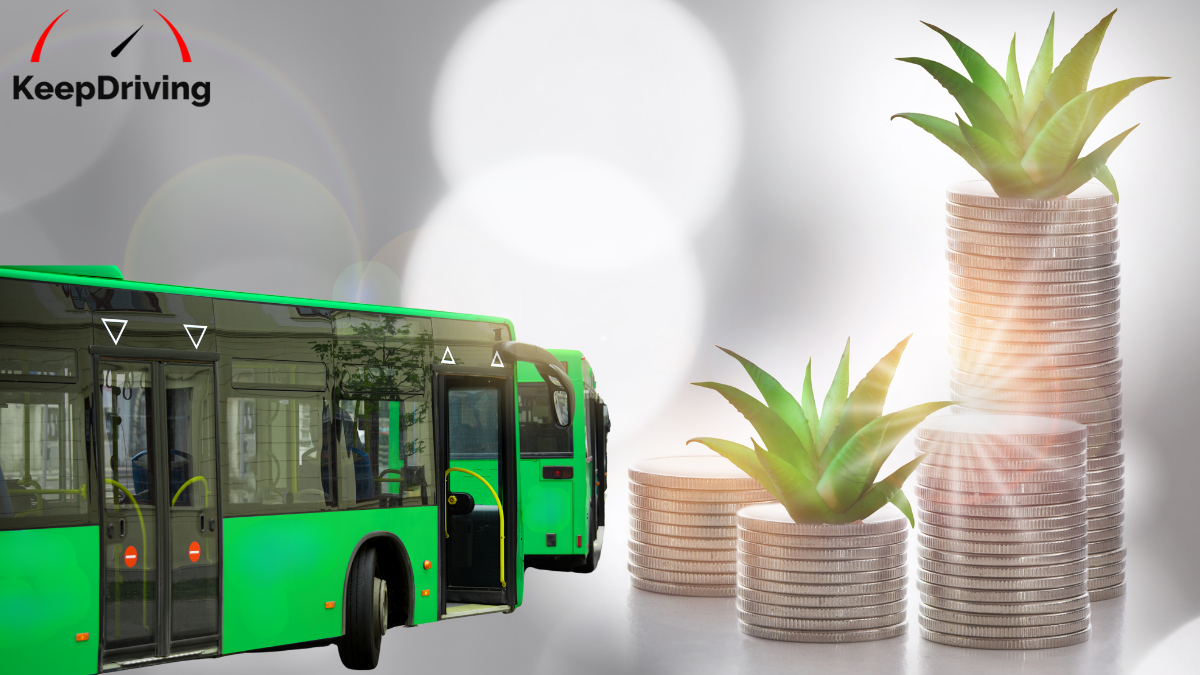
Having recognized the environmental implications of traditional buses, it's clear we need to set sights on more sustainable alternatives, and electric buses present an excellent solution.
They offer significant cost savings over time due to lower fuel, maintenance, and operational expenses. The switch to electricity can also spur job creation within the renewable energy and transportation sectors, driving local economies.
Additionally, electric buses contribute to sustainability goalsObjectives set by ridesharing companies to reduce their environmental impact. by reducing greenhouse gas emissions and improving air quality.
By investing in state funding for electric buses, we're not just providing a greener transport option. We're fostering economic growth, enhancing our physical environment, and creating a sense of belonging in a sustainable future.
It's a win-win for us all.
Policies and Funding Strategies for Electric Bus Implementation
To successfully shift to electric buses, it's essential to implement effective policies and funding strategies. Let's explore some key elements.
| Policy Incentives | Funding Models | Outcome |
|---|---|---|
| Regulatory support for electric buses | Public-private partnerships | Increased adoption of electric buses |
| Tax incentives for electric bus manufacturers | Grants and subsidies | Cost-effective production and affordability |
| Strict emission standardsRegulations set by governments to limit the amount of pollutants that vehicles can emit, aimed at re... | Crowdfunding and green bondsBonds specifically earmarked to raise money for climate and environmental projects. | Environmental protection |
Policy incentives like regulatory support and tax benefits can encourage the adoption and production of electric buses. Similarly, diverse funding models like public-private partnerships, grants, and even crowdfunding are important. They make production cost-effective and electric buses affordable. Ultimately, these strategies can lead to a broader shift towards sustainable transport, contribute to environmental protection, and foster a sense of community belonging.
Frequently Asked Questions
How Long Does the Average Electric Bus Battery Last Before Needing Replacement?
We've found that the average battery lifespan for electric buses is roughly 8-10 years, depending on usage. When considering replacement costs, it's important to factor in this timeframe and the bus' overall performance.
What Is the Average Cost of Maintaining an Electric Bus Compared to a Traditional Bus?
We've found that, on average, the maintenance costsThe costs associated with keeping a vehicle in good working condition, including repairs and regular... for electric buses are lower. Their operational efficiency reduces regular mechanical issues, which means we're spending less on upkeep compared to traditional buses.
What Are the Safety Features Unique to Electric Buses?
We've found that electric buses feature advanced safety technology, like crash prevention systems. They're engineered with our community's safety in mind, ensuring we all feel secure when we choose eco-friendly public transportation.
Are There Specific Driver Training Requirements for Operating Electric Buses?
Yes, operating electric buses does require specific driver certificationThe process by which drivers are officially approved to operate on the ridesharing platform.. We've found that thorough training programs are vital to guarantee drivers are fully equipped to handle these technologically advanced vehicles safely and efficiently.
How Do the Passenger Capacities of Electric Buses Compare to Traditional Buses?
We've discovered that electric buses' passenger capacities are comparable to traditional buses. They're efficient, too, making us all part of a more sustainable future. Isn't that something we'd all love to be a part of?