Electric buses are transforming urban transit due to their efficiency, cost-effectiveness, and environmental benefits. Their high energy storage, route optimizationTechnology that calculates the most efficient route for each ride based on real-time traffic data., and reduced emissions outperform traditional buses, offering smoother city rides. However, they do require a larger upfront investment. However, with the long-term operational and maintenance savings, they're financially prudent choices. As we continue to explain, you'll understand why these attributes are helping electric buses redefine city transit.
Key Takeaways
- Battery longevity and capacity are crucial performance metrics for electric buses.
- Route optimization significantly affects bus efficiency, making it another key performance metric.
- Energy consumption per trip is a vital metric to assess the performance of electric buses.
- Reduced maintenance costsThe costs associated with keeping a vehicle in good working condition, including repairs and regular... can be a measure of the overall performance and cost-effectiveness of electric buses.
- The total cost of ownership, which includes long-term savings, is an important metric in evaluating electric bus performance.
Unpacking the Efficiency of Electric Buses
While electric buses are gaining popularity worldwide, it's important to understand their true efficiency. The heart of their operations lies in advanced battery technology, which allows for high energy storage and efficient power output.
Our investigations show that the longevity and capacity of these batteries play a key role in determining the overall performance of these buses.
Moreover, route optimization greatly influences the efficiency of electric buses. By analyzing traffic patterns, routes can be planned to minimize idling and maximize the utilization of stored energy.
We've found that buses operating on optimized routes greatly reduce energy consumption and increase battery life. Together, battery technology and route optimization are essential in enhancing the efficiency of electric buses.
Cost-Effectiveness: a Deep Dive Into Electric Bus Economics
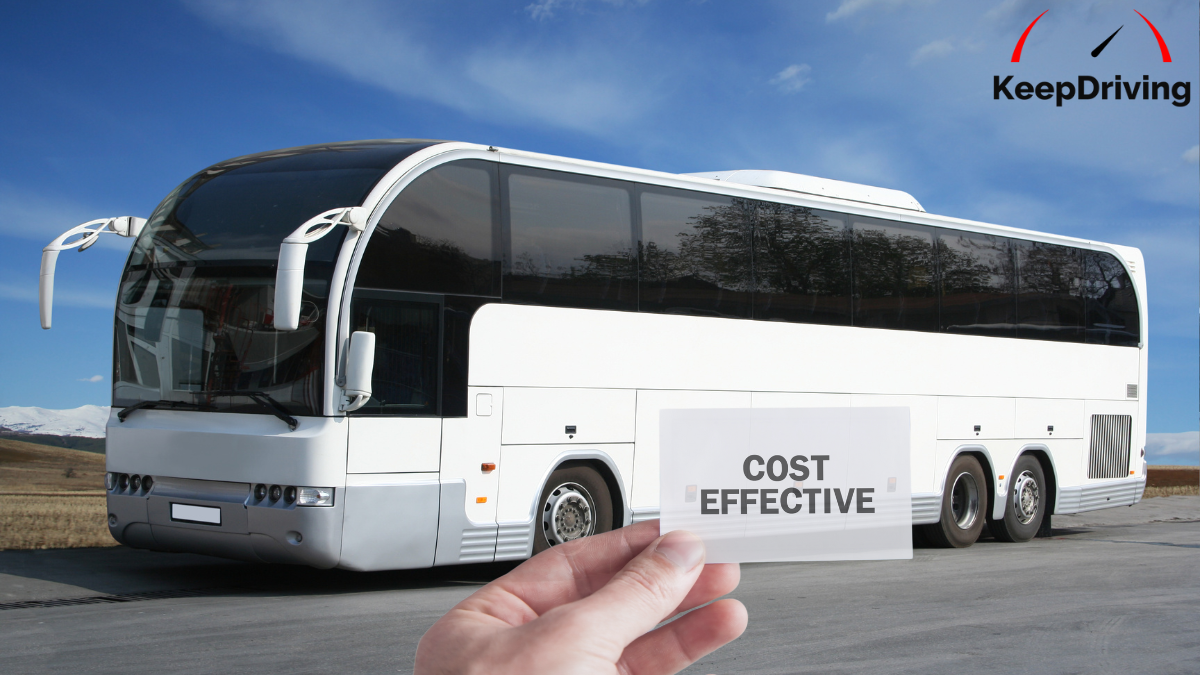
After unraveling the role of battery technology and route optimization in enhancing the efficiency of electric buses, it becomes increasingly interesting to examine the economics of these eco-friendly vehicles.
Though the initial capital investment for electric buses is higher, the long-term operational savings can offset this cost. Lower fuel and maintenance expenses, combined with their longevity, make electric buses an appealing choice.
We must consider the total cost of ownership, not just the upfront price tag. As we continue to endeavor for sustainable urban transit solutions, it's pivotal to understand that shifting to electric buses isn't merely an environmental decision—it's an economically prudent one, too.
Join us as we explore deeper into the intriguing economics of electric buses.
The Environmental Impact: How Electric Buses Are Making Cities Greener
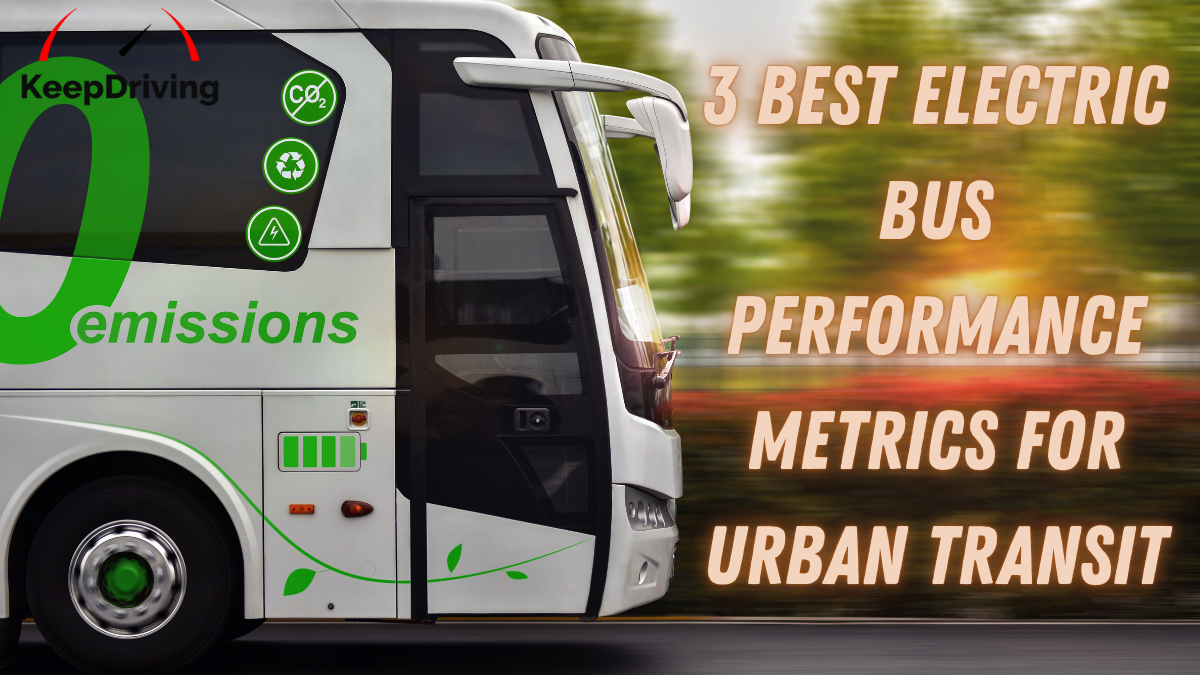
Delving into the environmental impact, it's undeniable that electric buses are paving the way for greener cities. Their contribution is multi-faceted and profound.
- Air Quality: Electric buses greatly reduce emissions, enhancing the air quality. By eliminating the exhaust from diesel engines, we're taking a big step towards cleaner, healthier cities.
- Noise Reduction: With their quiet operation, electric buses contribute to noise reduction, making urban areas more pleasant.
- Energy Efficiency: Electric buses are much more energy-efficient than diesel buses, which means they consume less energy for the same amount of work.
- Sustainability: By using electricity, we're shifting towards a more sustainable, renewable source of energy, reducing our reliance on fossil fuels.
In essence, electric buses are helping us redefine urban living.
Frequently Asked Questions
What Are the Common Maintenance Issues With Electric Buses?
We've found that common maintenance issues with electric buses include battery degradation over time and challenges with the charging infrastructure, such as availability and reliability. We're working on solutions to improve these aspects.
How Does the Passenger Capacity of Electric Buses Compare to Traditional Buses?
We've found that electric buses can match traditional ones in passenger capacity. They're even better in passenger comfort and capacity efficiency, making them a superior choice for urban transit. We're on board, are you?
What Are the Safety Features Specific to Electric Buses?
We've researched that electric buses often include advanced safety features like battery safety systems and collision avoidance technology. These additions help guarantee passengers' safety, making them a reliable choice for urban transit.
What's the Average Lifespan of Electric Buses Compared to Diesel Buses?
We've found that electric buses, despite battery degradation, often outlive their diesel counterparts. Lower operational costs and longer lifespans make them a smart choice. We're all part of this sustainable transit revolution, aren't we?
How Do Weather Conditions Affect the Performance of Electric Buses?
We've found that weather impacts electric bus performance greatly. Cold temperatures can reduce battery life, while extreme heat may cause overheating. We're constantly researching ways to mitigate these effects for a more reliable urban transit experience.