Planning ideal electric bus routes is like solving a complex puzzle. We have to factor in battery life, charging station locations, and recharge times while combating range anxiety. Advanced technologies such as real-time data analytics and predictive algorithms are key in route optimizationTechnology that calculates the most efficient route for each ride based on real-time traffic data.. By meticulously analyzing travel patterns and strategically planning routes, we can increase efficiency, reduce energy consumption, and extend battery life. Consider City A's success story, where such methods led to a 20% increase in efficiency. If you stay with us, we'll explore deeper into these strategies.
Key Takeaways
- Utilize high-tech tools for real-time data analysis to identify energy-efficient routes and optimize route planning.
- Evaluate existing charging infrastructure and incorporate recharge time into route planning to address range anxiety.
- Implement advanced software and smart battery management systems to reduce energy consumption and monitor battery health.
- Use predictive analyticsThe use of historical data to predict future demand and optimize driver positioning. to strategically plan routes based on battery life, recharge needs, and distance to charging stations.
- Analyze travel patterns and adopt off-peak charging strategies to enhance route efficiency and reduce energy costs.
Understanding the Unique Challenges of Electric Bus Route Planning
While planning traditional bus routes can be challenging, planning for electric buses introduces a new set of unique obstacles that we must overcome. Among these is 'range anxiety' – the concern that a vehicle won't have enough juice to reach its destination.
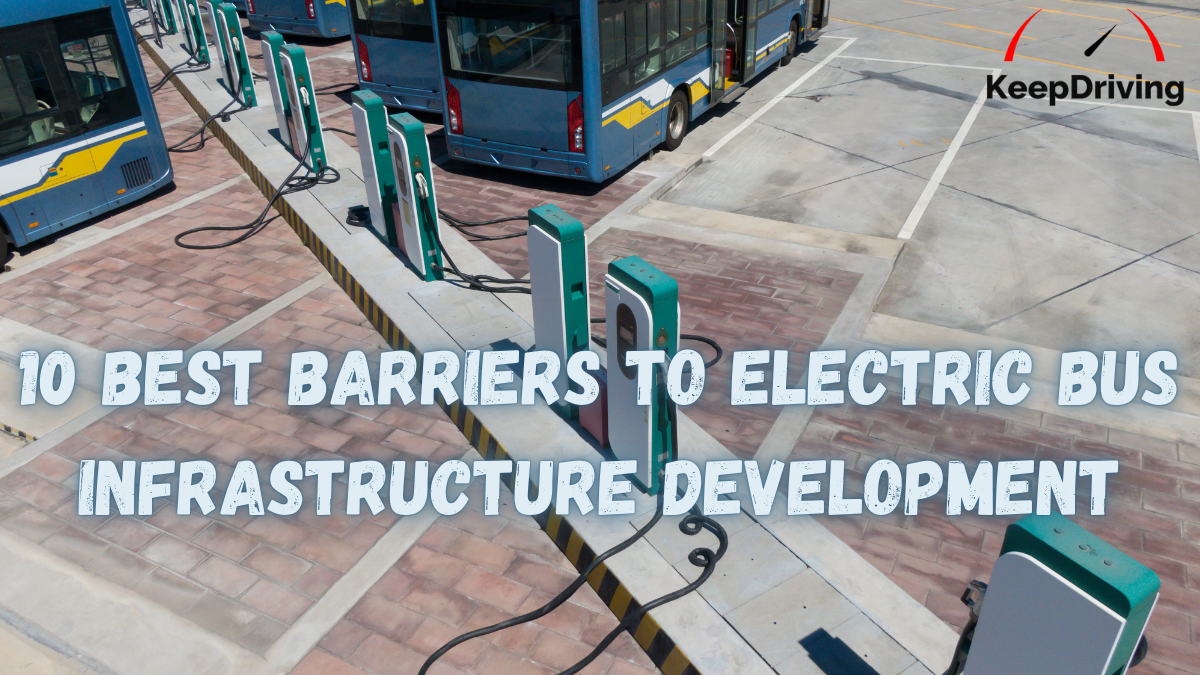
We can't just plot the shortest route; we've to evaluate where charging infrastructure exists and how long recharging takes. It's like solving a giant, complex puzzle, with each piece representing a bus's battery life, charging speed, and distance to the next charging station.
But don't worry. We're in this together, and with careful planning and strategic thinking, we'll make sure our electric buses not only reach their destinations but also contribute to a greener, more sustainable future.
Leveraging Technology for Efficient Electric Bus Routes
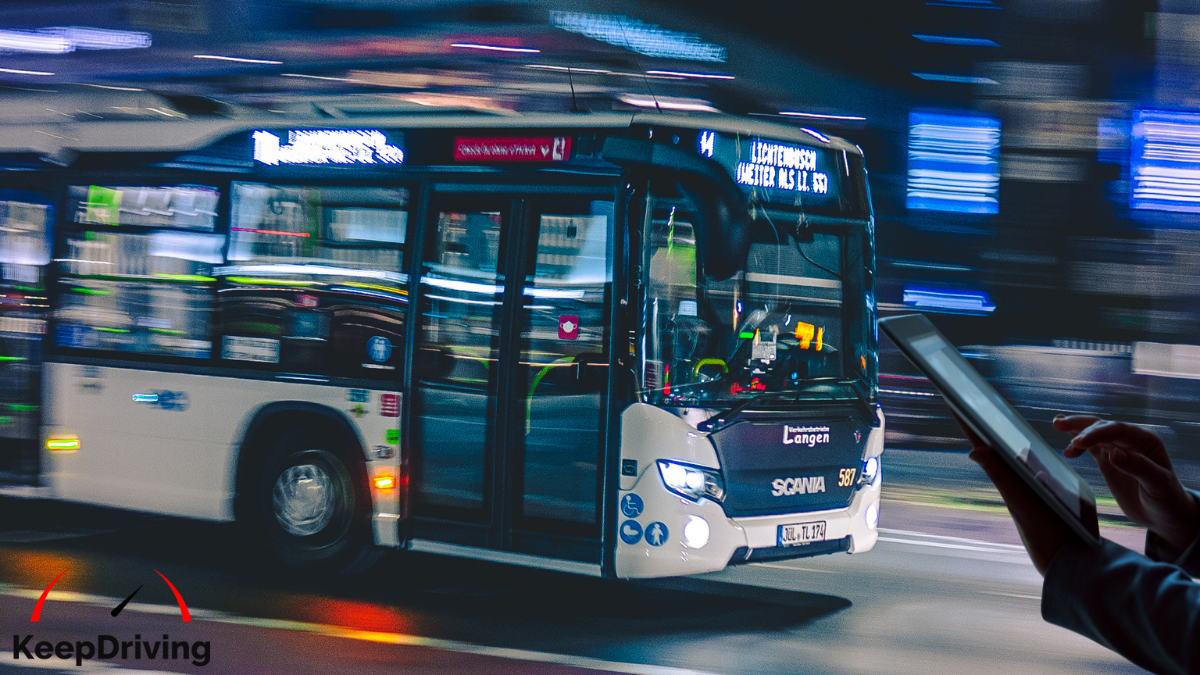
To guarantee the most efficient routes for our electric buses, we're harnessing the power of technology. Our way forward is simple yet strategic: deploy high-tech tools for route optimization and battery management.
With advanced software, we're able to analyze vast amounts of data in real-time, enabling us to identify the most energy-efficient routes. The result? Reduced energy consumption, extended battery life, and timely services.
But we're not stopping there. We're also implementing smart battery management systems. These systems monitor battery health, predicting when a recharge is needed and planning routes accordingly.
It's a game-changer. Together, we're revolutionizing public transportation, turning it greener and more sustainable. This is our shared journey towards a cleaner future.
Case Studies: Successful Electric Bus Route Planning in Action
Although we've laid out our strategies for efficient electric bus route planning, seeing them in action can be truly enlightening.
Let's explore a couple of case studies where our strategies were triumphantly applied.
In city A, route optimization was key. By studying travel patterns, we crafted routes that not only served the most passengers but also minimized energy use. The result was a 20% increase in route efficiency and a 15% reduction in energy consumption.
Meanwhile, in City B, the focus was on energy management. We implemented an intelligent charging system that topped up the buses during off-peak hours. This led to a 30% reduction in energy costs, further demonstrating the power of careful planning.
Frequently Asked Questions
How Much Does It Cost to Implement an Electric Bus Route?
We can't give you an exact figure without a detailed cost breakdown. It varies greatly, relying on specific route details and funding sources. But rest assured, we're here to guide you through every step.
What Are the Environmental Benefits of Electric Bus Routes?
We're reducing our carbon footprintThe total amount of greenhouse gases emitted directly or indirectly by a vehicle, measured in carbon... with electric bus routes. They markedly improve air quality by eliminating tailpipe emissions. It's a step we're taking together for a healthier environment, and you're a part of this change.
How Can Community Feedback Be Incorporated in Planning Electric Bus Routes?
We're committed to incorporating your feedback into our decisions. By conducting community surveys and encouraging stakeholder engagement, we guarantee that your voice shapes our planning process. We can't do it without you, so let's collaborate!
What Are the Maintenance Requirements for Electric Buses?
We're responsible for regular battery management and upkeep of the charging infrastructure. It's essential to monitor battery health, guarantee ideal charging, and conduct periodic maintenance for reliable, efficient electric bus operations.
Are There Any Government Subsidies or Grants Available for Electric Bus Implementation?
Yes, there are federal funding options and grants available. We'll need to strategically navigate through grant applications to maximize these opportunities. Let's journey together in this, ensuring we're technically proficient and detail-oriented.